

Getting around Latrobe and Horsham
Latrobe Valley and Horsham sit in different corners of Victoria, separated by roughly 200 kilometers of highway and rural landscape. While they share a reputation for regional charm, they require distinct logistical approaches for navigation. Treating them as a single contiguous trip is inefficient; instead, plan them as two separate bases with a dedicated travel day connecting the two.
The drive between the regions primarily follows the Hume Highway and the Western Highway. This route is straightforward but long, taking approximately two and a half to three hours depending on traffic and stops. For those relying on public transport, connections are sparse. V/Line trains serve the Latrobe Valley via Traralgon, but reaching Horsham requires a train to Ararat followed by a bus transfer. Car rental is the most practical option, offering the flexibility to explore the surrounding dairy country and national parks at your own pace.
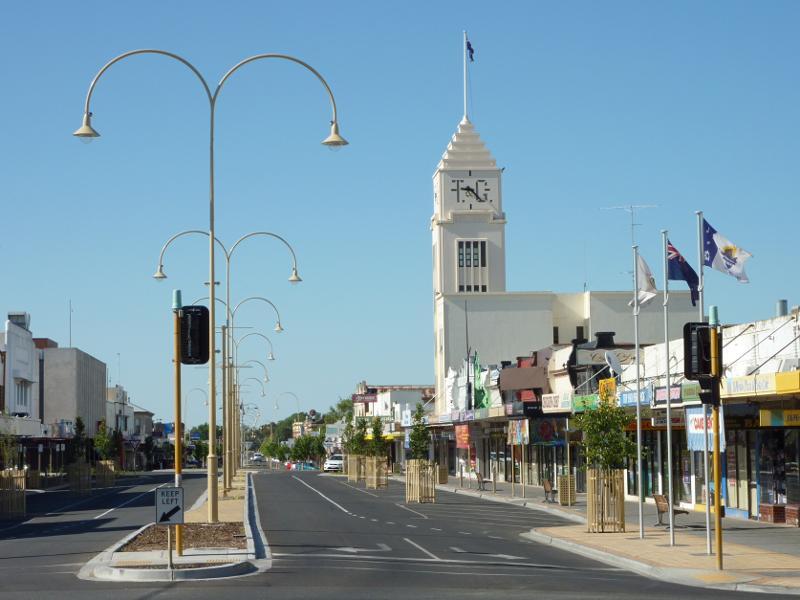
Choosing where to stay dictates your daily radius. In the Latrobe Valley, staying in Traralgon or Morwell centralizes access to the Great Western Trail and local museums. In Horsham, accommodation in the town center places you within walking distance of the Grampians Gateway and local dining. Both regions have ample parking, but rural attractions often require a vehicle to reach.
Top activities and attractions
Latrobe and Horsham offer distinct experiences that blend outdoor recreation with deep regional history. While Latrobe serves as a gateway to the high country’s dramatic landscapes, Horsham anchors the Wimmera with its agricultural heritage and cultural institutions. Planning your itinerary around these two centers allows you to access both alpine adventures and inland heritage sites within a short drive.
Explore the Great Dividing Range
Latrobe sits at the edge of the Great Dividing Range, providing immediate access to some of Victoria’s most iconic hiking and skiing destinations. The area is best known as the base for the Alpine Resorts, including Falls Creek and Mount Hotham. In winter, these slopes draw visitors for skiing and snowboarding, while summer months transform the trails into hubs for mountain biking and alpine hiking.
For those preferring lower elevations, the Latrobe Valley itself offers extensive walking tracks through bushland and former coal-mining sites. The Yarra Ranges National Park, accessible from the eastern side of the valley, provides cooler climates and dense rainforest walks. Visitors should check trail conditions and fire bans, especially during the warmer months, as these areas are prone to rapid weather changes.
Visit Horsham’s Cultural and Agricultural Heritage
Horsham, the largest town in the Wimmera region, offers a quieter but equally compelling experience focused on local history and agriculture. The Horsham Art Museum and the Wimmera Regional Art Gallery showcase works by regional and national artists, often highlighting the unique light and landscape of the western plains. The town’s historic buildings, including the old railway station and heritage-listed churches, reflect its 19th-century boomtown origins.
Agriculture remains central to Horsham’s identity. The Wimmera Agricultural Museum provides insight into the region’s farming history, while the annual Horsham Agricultural Show celebrates local produce and livestock. Visitors can explore the surrounding farmlands, which are known for wheat, canola, and vineyards. The nearby Henty District adds another layer of historical interest with its preserved homesteads and rural charm.
Enjoy Outdoor Recreation in Both Regions
Both Latrobe and Horsham excel in outdoor activities, though the settings differ significantly. In Latrobe, the La Trobe River and its tributaries offer fishing and canoeing opportunities, particularly in the spring and autumn when water levels are stable. The surrounding forests are ideal for camping and bushwalking, with numerous campgrounds managed by Parks Victoria.
In Horsham, the Wimmera River and its wetlands provide excellent birdwatching and fishing. The region’s open skies and flat terrain make it a favorite for cyclists and drivers seeking scenic routes. The Horsham Botanic Gardens offer a peaceful retreat within the town, featuring native plants and shaded picnic areas. Whether you’re seeking alpine thrills or rural tranquility, these two destinations provide a balanced mix of activities for any traveler.
Where to eat and drink locally
Latrobe and Horsham offer distinct dining scenes that reflect their regional roots. While Horsham serves as a bustling hub for casual cafes and family-friendly restaurants, Latrobe leans into its agricultural identity with farm-to-table establishments and cozy pubs. Both towns prioritize fresh, local produce, making it easy to find meals that highlight the Wimmera and Mallee regions' best offerings.
Horsham: Casual cafes and family favourites
Horsham’s dining scene is anchored by its central business district, where independent cafes and bistros thrive. The town’s cafes often feature seasonal menus that change with local harvests, ensuring that every meal feels fresh and relevant. For families, several restaurants offer spacious seating and kids’ menus, making it easy to dine out without stress.
The town’s pubs have also evolved, with many now serving gourmet pub grub that rivals finer dining establishments. Look for places that source their meat and dairy from nearby farms, as this adds a layer of authenticity to the dishes. The atmosphere is generally relaxed, making it a comfortable choice for a quick lunch or a leisurely dinner.
Latrobe: Farm-to-table and cosy pubs
Latrobe’s dining options are fewer but more focused, with an emphasis on quality over quantity. The town’s restaurants often partner directly with local farmers, resulting in menus that are both sustainable and flavourful. This approach is particularly evident in their use of seasonal vegetables and heritage grains, which add a unique twist to familiar dishes.
The pubs in Latrobe are not just places to drink; they are community hubs where locals gather to share stories and enjoy a good meal. The food here is hearty and comforting, often featuring slow-cooked meats and homemade pies. It’s the kind of dining experience that leaves you feeling full and satisfied, with a sense of connection to the land.
Regional specialties you should try
No trip to these towns is complete without sampling their regional specialties. In Horsham, try the local lamb, which is known for its tender texture and rich flavour. In Latrobe, look for dishes that feature local honey or native ingredients, such as wattleseed or finger lime, which add a distinctively Australian touch to the cuisine.
For a more adventurous palate, seek out restaurants that offer tasting menus. These often showcase the best of what the region has to offer, with each course telling a story about the land and the people who work it. It’s a culinary journey that goes beyond just eating—it’s an experience that connects you to the heart of the region.
Planning your 2026 itinerary
Start Latrobe and Horsham with the constraint that matters most in real life: space, timing, budget, skill level, maintenance, or availability. That first constraint should shape the rest of the plan instead of appearing as an afterthought. Keep the first pass simple enough to verify. Compare the main options against the same criteria, remove choices that only work in ideal conditions, and save optional upgrades for later.
No comments yet. Be the first to share your thoughts!