

Why these four places matter
The standard list of world holiday destinations for 2026 is dominated by saturation. Rome, Tokyo, and Prague offer iconic experiences, but they also come with the heavy toll of overtourism: inflated prices, crowded infrastructure, and diluted local culture. Choosing Alice Springs, Mainz, Latrobe, and Horsham is a deliberate pivot away from that congestion. These destinations provide authentic, manageable travel experiences where visitors can engage with the landscape and community without fighting for space.
Alice Springs sits in the heart of the Australian Outback, offering a stark, red-earth contrast to the urban grind. It is a place where time moves slower and the scale of the desert demands respect. Mainz, nestled in Germany’s Rheinhessen wine region, offers a quiet elegance. It is a historic city with a thriving wine culture, yet it remains largely bypassed by the mass tourism flowing toward Munich or Berlin. Here, you can walk through medieval streets and taste world-class Riesling without the crowds.
Latrobe in Tasmania and Horsham in Victoria’s Wimmera region represent the best of rural Australia. Latrobe is a gateway to pristine wilderness and indigenous heritage, while Horsham serves as a hub for agricultural history and regional festivals. Both towns offer a genuine sense of place, where visitors are guests rather than numbers in a headcount. This approach to travel prioritizes depth over breadth, allowing for a more meaningful connection with the destination.
Alice Springs: Outback heartland
Alice Springs sits at the geographic center of Australia, acting as the primary gateway to the Red Centre. The town itself is a vibrant hub of Indigenous art galleries, history museums, and pubs, but the real draw is the surrounding desert landscape. Visitors typically use the town as a base to explore the rugged MacDonnell Ranges, which offer dramatic scenery and hiking trails just a short drive away.
Climate and timing
The region experiences a hot desert climate. Summer temperatures regularly exceed 40°C (104°F), making outdoor activities dangerous and uncomfortable. Travelers should plan their visit during the Australian winter, from May to September. During these months, daytime highs are pleasant, ranging from 20°C to 25°C, while nights can drop near freezing. This cooler window allows for full-day hikes and overnight camping without the risk of heatstroke.
Key sights and local culture
The West MacDonnell Ranges are the crown jewel of the region. Highlights include Simpsons Gap, a waterhole nestled in the rocks, and Ormiston Gorge, where visitors can swim in deep waterholes surrounded by towering sandstone cliffs. For a deeper cultural experience, the Anangu Pitjantjatjara Yankunytjatjara (APY) Lands to the north offer guided tours into Aboriginal land. These tours provide insight into the traditional owners of the land, their ancient rock art, and their connection to the desert. Always respect local customs and follow guide instructions when visiting Indigenous sites.
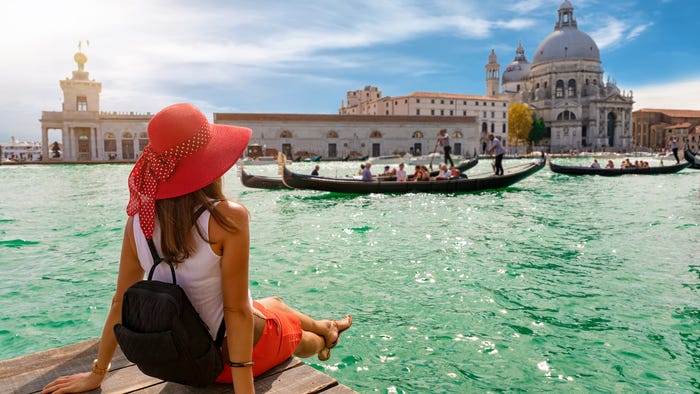
Mainz: Rhine wine culture
Mainz serves as the historic gateway to Rheinhessen, Germany’s largest wine region. While the city itself is often a transit point for travelers heading to the Rhine Valley, it offers a distinct cultural experience rooted in viticulture. The local wine, known as Schoppen, is an integral part of daily life here, with vineyards stretching across the rolling hills just west of the city center.
The old town (Altstadt) provides a compact base for exploring this wine heritage. You can wander through narrow cobblestone streets lined with traditional half-timbered houses before reaching the impressive Mainz Cathedral (Dom St. Martin). This Romanesque structure, begun in 1007 AD, dominates the skyline and houses the tomb of Johannes Gutenberg. The contrast between the ancient stone of the cathedral and the vibrant wine taverns nearby creates a unique atmosphere that defines the city’s character.
For wine tasting, you do not need to venture far. The Weinstuben (wine taverns) in the old town offer authentic experiences where you can sample local Riesling and Silvaner varieties. Many of these establishments are family-run and have been serving wine for generations. Prices are generally reasonable compared to tourist-heavy areas, with a glass of local wine costing between €3 and €6. Look for signs indicating Hauswein (house wine) for the most authentic and affordable options.
Latrobe: Nature and history
Latrobe in Tasmania offers a quiet counterpoint to the busy coastlines of the state. The region is defined by dense forests, rolling hills, and a pace of life that favors slow travel. It is a destination for travelers who want to disconnect from digital noise and reconnect with the physical landscape. The air here is crisp, and the silence is often broken only by bird calls or the sound of wind through eucalyptus trees.
Forests and Waterfalls
The heart of Latrobe’s natural appeal lies in its protected wilderness areas. The South West National Park and the surrounding state forests provide extensive trail networks for hiking and bushwalking. Waterfalls are a common feature, often hidden behind thick vegetation until you turn a corner on a well-marked track. The water is clear and cold, fed by mountain runoff that sustains the local ecosystem year-round.
Practical Route and Timing
Travelers should aim for the shoulder seasons of spring and autumn. Summer can bring dry conditions and higher fire risks, while winter brings snow to the higher elevations, closing some roads. The region is best accessed via the Bass Highway, which connects Hobart to the north. From there, local roads wind through small towns like Deloraine and Longford, offering glimpses of historic architecture and local farms.
Local Context and Cost
Accommodation in Latrobe is generally more affordable than in Hobart or the tourist-heavy south. Options range from budget motels in town centers to self-contained cabins in rural settings. Local cafes and pubs serve as social hubs, offering hearty meals and a chance to speak with residents. This is not a destination for nightlife or luxury shopping; it is for those seeking rest, reflection, and the simple pleasure of a long walk in the woods.
Horsham: Regional Victoria charm
Horsham sits at the gateway to the Wimmera region, serving as a practical and charming base for exploring western Victoria. Unlike the crowded coastal routes, this agricultural hub offers a slower pace, historic architecture, and direct access to some of the state’s most dramatic landscapes. It is an ideal stop for travelers seeking a blend of rural heritage and outdoor adventure without the premium price tag of major tourist centers.
The town itself is a testament to late 19th-century prosperity. Walk along Rosalind Park or explore the historic streets to see well-preserved Victorian buildings, including the former town hall and heritage-listed residences. These structures reflect the wealth generated by the region’s wool and wheat industries. Local museums and galleries often feature exhibitions on this agricultural past, providing context to the wide, open plains that surround the town.
Proximity to the Grampians
The primary draw for most visitors is the nearby Grampians National Park (Gariwerd), located just a short drive west. This area offers world-class rock art sites, towering sandstone peaks, and abundant wildlife. Many travelers use Horsham as a logistical base, staying in local accommodations and taking day trips into the park to hike trails like the Mackenzie Falls circuit or visit the famous Pinnacles viewpoint. This setup allows for a more flexible itinerary compared to staying inside the park, where accommodation options can be limited during peak seasons.
Practical Planning
Reaching Horsham is straightforward via the Western Highway, with regular bus and coach services connecting it to Melbourne and other regional centers. For those driving, the journey takes approximately three to four hours from Melbourne, making it a manageable weekend escape. The best times to visit are spring (September to November) and autumn (March to May), when the weather is mild and the surrounding farmlands are at their most vibrant.
Local services, including supermarkets, fuel stations, and medical facilities, are well-equipped to handle visitor needs. However, if you plan to explore the Grampians extensively, ensure you have sufficient fuel and water, as services become sparse once you enter the national park. Booking accommodation in advance is recommended, especially during school holidays, as Horsham’s hotel and motel inventory fills up quickly due to its role as a regional service center.
Compare your 2026 itinerary
Choosing between Alice Springs, Mainz, Latrobe, and Horsham depends on how you prefer to spend your days and what your budget allows. These four destinations offer distinct climates, price points, and activity profiles, making them suitable for very different types of travelers.
The table below breaks down the key differences to help you match each location to your travel style.
| Destination | Climate | Best Time | Primary Activity |
|---|---|---|---|
| Alice Springs | Arid, hot summers | May–September | Outback exploration |
| Mainz | Temperate, mild winters | June–September | River cruises & history |
| Latrobe | Oceanic, variable | December–February | Nature & heritage |
| Horsham | Temperate, dry summers | October–April | Wine & arts |
Where to start your journey
Planning a holiday to Alice Springs, Mainz, Latrobe, or Horsham requires looking beyond the destination itself to the logistics of getting there. These four locations span two continents and vastly different climates, meaning your travel window and booking timeline will vary significantly. Alice Springs sits in the heart of the Australian Outback, while Mainz anchors the German wine country. Latrobe and Horsham are regional hubs in Victoria, Australia, offering a quieter alternative to major cities.
Start by mapping out your route. Because Alice Springs is remote, you will likely fly into Alice Springs Airport (ASP) or connect through Melbourne or Sydney. For Mainz, Frankfurt Airport (FRA) is the primary gateway, just a short train ride away. Latrobe Valley (Launceston or Devonport) and Horsham are best accessed via Melbourne or local regional airports. Booking flights six months out for peak holiday season ensures better rates and availability, especially for the Australian summer and European winter markets.
Accommodation strategy depends on your preferred pace. Alice Springs benefits from staying close to the town center for access to tours and dining. Mainz offers a mix of historic city-center hotels and riverside options. In Victoria, Horsham and Latrobe provide charming boutique stays or rural retreats, which fill up quickly during school holidays. Check visa requirements early if you are traveling internationally to Germany, as processing times can vary.
- Book flights 6 months out for peak season.
- Check visa requirements for international entry.
- Pack seasonal clothing: summer heat for Alice Springs, winter layers for Mainz.
- Reserve accommodation early in regional Victoria.
No comments yet. Be the first to share your thoughts!