
Why Alice Springs matters
Alice Springs sits at the geographic and cultural center of the Red Centre, serving as the primary gateway for travelers exploring the Northern Territory. With a population of roughly 35,000, it is the largest town in the region and a logistical hub for accessing remote landmarks like Uluru and Kata Tjuta. The town offers essential services, from fuel and supplies to medical care, making it a practical base for any itinerary.
Beyond its utility, Alice Springs is deeply rooted in Arrernte culture. The town’s history and current identity are shaped by the Traditional Owners, the Arrernte people, whose connection to the land stretches back tens of thousands of years. Visitors are encouraged to engage with this heritage respectfully, whether by visiting the Alice Springs Desert Park or supporting local Indigenous art and businesses.
The town’s vibrant atmosphere reflects its isolation and resilience. Festivals, markets, and a diverse dining scene provide a welcoming break from the harsh outback environment. Starting your journey here allows you to prepare properly and gain context for the vast, arid landscapes that define central Australia.
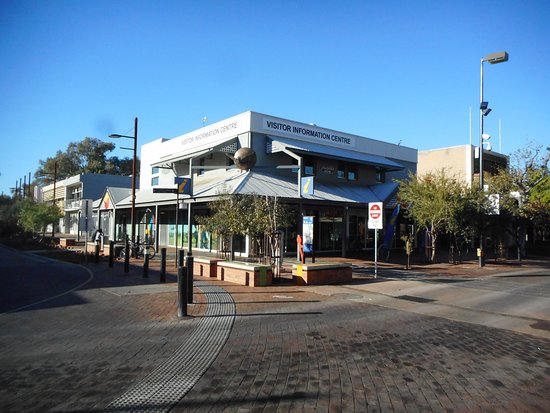
Best things to do in Alice Springs
Alice Springs offers a mix of wildlife encounters, cultural immersion, and rugged landscapes that define the Red Centre. The town serves as the primary hub for exploring the Northern Territory, with most major attractions located within a short drive from the town centre.
Alice Springs Desert Park
Located just seven kilometres from the town centre, the Alice Springs Desert Park provides an accessible introduction to the region's unique ecosystem. The park is designed to show how wildlife and people have coexisted in the desert for millennia. You can walk through distinct zones featuring desert peoples, macropods, and reptiles, often with opportunities to feed kangaroos or view saltwater crocodiles.
The park is easily reachable by self-drive, public bus, or bike. It serves as an excellent starting point for visitors wanting to understand the local environment before heading deeper into the outback.
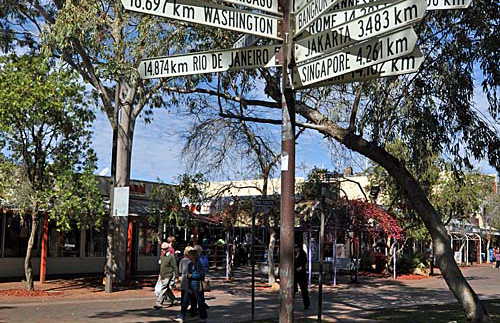
The Kangaroo Sanctuary
For a more intimate wildlife experience, the Kangaroo Sanctuary allows visitors to get close to native animals in a natural setting. The facility focuses on conservation and education, offering guided tours that include feeding kangaroos and interacting with other native species like wombats and goannas.
It is a popular stop for those seeking hands-on encounters with Australian wildlife without venturing far from Alice Springs.
Cultural Experiences
Understanding the local Arrernte culture is essential to visiting Alice Springs. The Anangu Art Centre and other local galleries offer insights into the deep spiritual connection the traditional owners have with the land. Visiting these cultural sites provides context for the landscape and history that shapes the region today.
Natural Landscapes
Beyond the town, the surrounding areas offer dramatic scenery. Sites like Mount Sonder and the West MacDonnell Ranges provide stunning views and hiking opportunities. These locations highlight the rugged beauty of the Red Centre, from red sand dunes to ancient rock formations.
Where to eat and drink locally
Alice Springs dining reflects the town’s dual identity: a rugged outpost built on hospitality and a modern hub embracing the Red Centre’s unique produce. The culinary scene here is less about fine dining pretension and more about hearty, flavourful meals that honour the land. From historic pubs serving classic pub grub to contemporary restaurants showcasing native ingredients, every bite tells a story of the region.
Local flavours are central to the experience. Chefs in Alice Springs frequently incorporate bush tucker—such as wattleseed, lemon myrtle, and kangaroo—into modern Australian dishes. This isn’t just a novelty; it’s a respectful nod to the Arrernte people, whose deep connection to this country has sustained them for tens of thousands of years. Eating here is an opportunity to taste the landscape itself, with fresh, locally sourced meats and produce taking centre stage.
For those seeking a classic outback atmosphere, the historic pubs along the main strip offer robust meals and a lively social scene. These establishments have been community anchors for generations, providing a place to unwind after a long day exploring the desert. Conversely, the town’s newer restaurants offer a more refined experience, focusing on seasonal menus that highlight the best of the Northern Territory’s agricultural output.
Whether you’re grabbing a quick bite at a local café or settling in for a multi-course dinner, the key is to support businesses that source locally. This not only ensures fresher food but also contributes to the resilience of the Alice Springs economy. The dining scene here is as diverse and vibrant as the red earth surrounding it, offering something for every palate.
Plan your Alice Springs trip
Alice Springs serves as the primary hub for exploring the Red Centre, but the logistics of visiting require careful planning due to its remote location. The town sits on Arrernte country, and acknowledging this history grounds your travel experience in the reality of the landscape. Because distances are vast and infrastructure is limited, getting the basics right—timing, lodging, and transport—makes the difference between a stressful trip and a smooth adventure.
When to visit
The best time to visit Alice Springs is during the Australian autumn (March to May) or spring (September to November). During these months, daytime temperatures range from a comfortable 20°C to 25°C, making it possible to hike the West MacDonnell Ranges or visit Uluru without the risk of heatstroke. Summer months (December to February) are brutally hot, often exceeding 40°C, which can close outback roads and limit outdoor activities. Winter nights are cold, so if you plan to camp or stay in older accommodation, bring warm layers.
Where to stay
Accommodation in Alice Springs ranges from budget hostels to luxury resorts. For first-time visitors, staying in the town centre provides easy access to the Alice Springs Desert Park, the Telegraph Station, and local dining precincts. If you prefer a more immersive outback experience, consider staying at a cattle station or a campsite on the outskirts of town, though you will need a vehicle to get around. Book well in advance, especially if your trip coincides with the Alice Springs Desert Fair or the Overland Relay, as rooms fill up quickly.
Getting around
While you can walk or take a taxi within the town centre, you will need a vehicle to explore the surrounding attractions. Renting a 4WD is highly recommended, particularly if you plan to drive the Lasseter Highway to Uluru or explore the Finke Roadhouse. Public transport is limited, so relying on buses or shuttles for long-distance travel can be restrictive. If you do not wish to drive, book guided tours that pick up from your accommodation; this is often the safest and most efficient way to see the region.
Packing essentials
Your packing list should reflect the harsh environment. Bring high-SPF sunscreen, a wide-brimmed hat, and plenty of water—more than you think you need. Closed-toe shoes are essential for walking on rocky terrain and protecting your feet from thorns and snakes. A reliable map or GPS device is crucial, as mobile phone coverage can be spotty outside the town centre. Respect the local culture by learning a few words from the local Arrernte language and understanding the significance of sacred sites.
Common mistakes to avoid
Visiting Alice Springs requires more than just packing sunscreen. The Red Centre is a place of deep cultural significance and extreme environmental conditions that demand respect and preparation. Many travelers arrive with the mindset of a standard holiday, only to find that the rules of engagement here are different. Understanding these pitfalls beforehand ensures your trip is safe, respectful, and truly immersive.
Underestimating the Heat and Distance
The most immediate danger in the region is the heat. Temperatures regularly exceed 40°C (104°F) in summer, and even in shoulder seasons, the sun is relentless.
Do not rely on finding water or fuel on remote tracks. Distances between towns are vast, and mobile coverage is sparse. Plan your fuel stops and water supplies as if they were life-support systems, because in an emergency, they effectively are.Ignoring Cultural Protocols
Alice Springs sits on Arrernte land. The local Aboriginal population is large and central to the community’s identity. Ignoring cultural protocols is not just rude; it can be dangerous. Always ask permission before taking photographs of people, sacred sites, or cultural artifacts. Respect "No Photo" signs and stay on marked paths in sensitive areas. Engaging with local Indigenous guides or visiting cultural centers like the Mutitjulu Waterhole is a respectful way to learn about the land’s history and significance.
Poor Planning and Timing
Many visitors underestimate the logistical challenges of the Red Centre. Assuming you can spontaneously drive to Uluru or explore remote gorges without a permit or 4WD vehicle is a common error. Some areas require special permits, and others are inaccessible during the wet season. Book accommodations and tours well in advance, especially during peak seasons like the Spring Festival. Treat your itinerary as a flexible framework rather than a rigid schedule, allowing room for weather delays or unexpected closures.
Alice Springs trip checklist
Before you head into the Red Centre, a solid plan is your best defense against the heat and distance. This checklist covers the essentials for a safe, respectful, and smooth visit to Alice Springs.
The sun here is intense year-round. Bring a wide-brimmed hat, high-SPF sunscreen, and polarized sunglasses. Lightweight, long-sleeved clothing made from breathable fabrics offers better protection than short sleeves.
Tap water in Alice Springs is safe to drink, but the dry air dehydrates you quickly. Carry at least 2–3 liters of water per person per day, especially if you are hiking or driving between attractions.
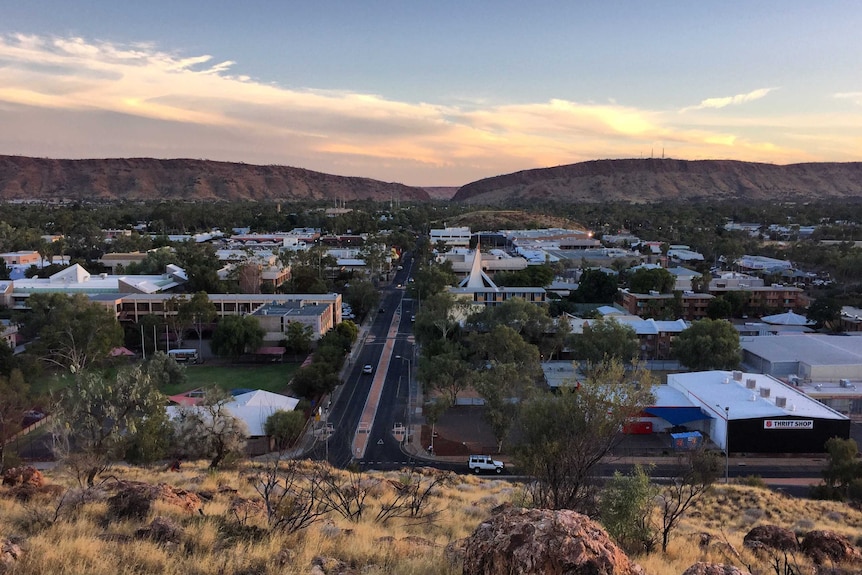
Alice Springs sits on Arrernte land. Learn basic local greetings, respect signs prohibiting photography of sacred sites or people, and support local Indigenous businesses. Acknowledging the Traditional Owners is a fundamental part of visiting here.

Many shops close early, and petrol stations can be sparse outside town. Refuel your vehicle before leaving Alice Springs for remote areas like Kings Canyon or Uluru. Keep a spare tire and emergency supplies in your car.
-
Wide-brimmed hat
-
High-SPF sunscreen
-
Reusable water bottles
-
First-aid kit
-
Copy of travel insurance
-
Arrernte cultural guide
Frequently asked questions about Alice Springs
Planning a trip to the Red Centre often raises practical questions. Here are answers to the most common queries about visiting Alice Springs, from safety and transport to timing and cultural respect.
No comments yet. Be the first to share your thoughts!