

First impressions of the red centre
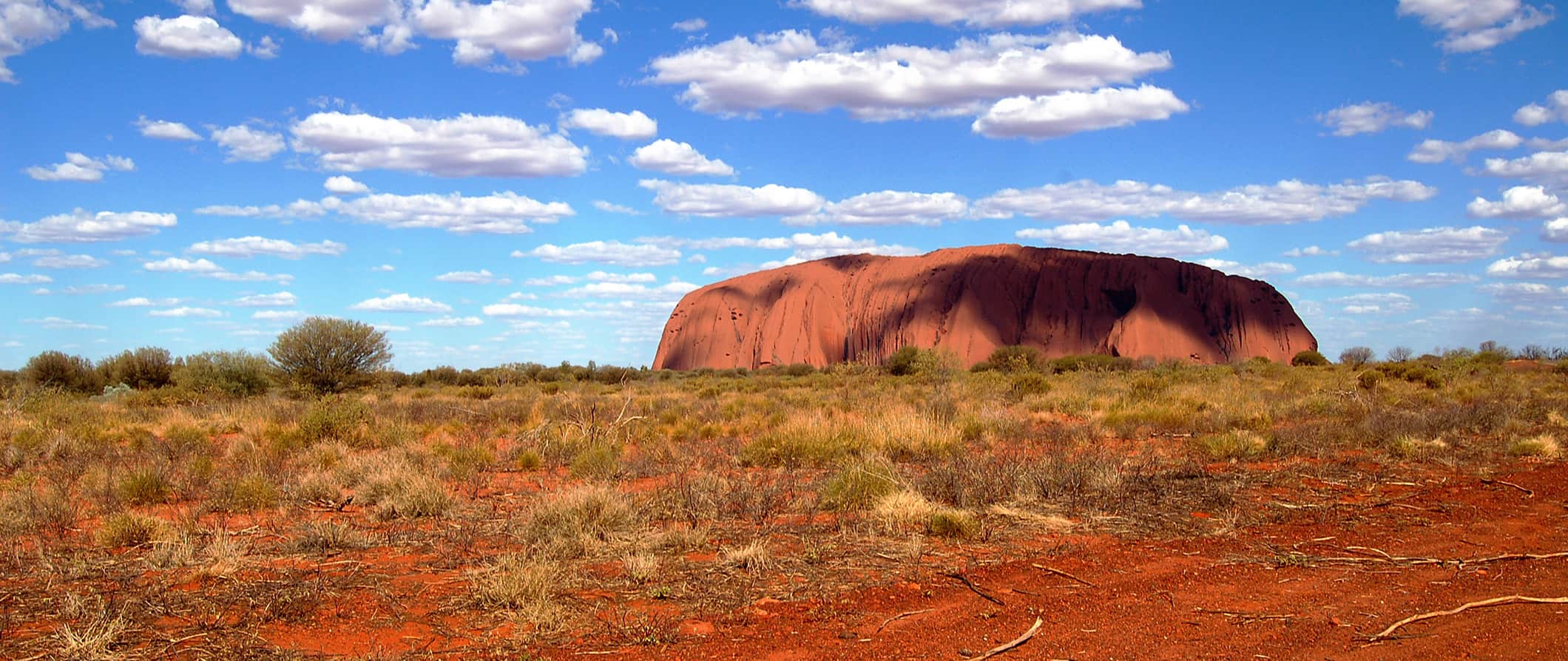
Landing in Alice Springs feels…different. It’s not just the heat, though that's certainly present. It’s the space, the light, and a quietness that settles over you almost immediately. After the bustle of larger Australian cities, Alice Springs feels remote, a launching point into the heart of the country. Many travelers bypass it for the more famous Uluru, but I think that’s a mistake. The town itself holds a unique charm, a blend of pioneering spirit and ancient Aboriginal culture.
Alice Springs is a base for the outback. You come here for the red dirt and the silence, not the nightlife of Melbourne or the reef in Cairns. It requires more planning than a coastal trip—you need to carry water and respect the scale of the desert—but the payoff is a connection to a landscape that feels ancient.
The history here is palpable. Long before European settlement, this land belonged to the Arrernte people, who have lived in the region for tens of thousands of years. Their connection to the land is deeply spiritual and remains central to the identity of the area. Understanding this history isn’t just important; it’s essential to truly appreciating Alice Springs. You’ll find evidence of their culture woven into the art, the stories, and the very fabric of the town.
The town’s modern identity is also shaped by its role as a vital hub for the surrounding outback. The Royal Flying Doctor Service, a uniquely Australian institution, has a strong presence here, as does the School of the Air, bringing education to children in remote communities. These institutions aren’t just services; they’re testaments to Australian ingenuity and resilience.
Getting Around: Transport in the Red Centre
Alice Springs Airport (ASP) is the main gateway to the region, with regular flights from major Australian cities. Several bus companies operate services to and from Alice Springs, but these can be infrequent. The Ghan, a long-distance passenger train, also stops in Alice Springs. Car rental is the most convenient way to explore the surrounding areas, allowing you to travel at your own pace.
Self-driving is highly recommended for exploring the West MacDonnell Ranges and Uluru-Kata Tjuta National Park. However, be prepared for long distances and limited services. Ensure your vehicle is well-maintained and carry plenty of water, fuel, and a spare tire. Road conditions can vary, and some roads may be unsealed.
Taking tours is a good option if you don’t want to drive or prefer to have a guide. Numerous tour operators offer day trips and multi-day tours to Uluru, Kata Tjuta, and the West MacDonnell Ranges. These tours typically include transportation, accommodation, and meals. The distances involved are significant, so plan your itinerary carefully and allow plenty of time.
Packing Essentials
- Sunscreen - High SPF, broad-spectrum sunscreen is crucial. The desert sun is intense, even on cloudy days.
- Hat & Sunglasses - A wide-brimmed hat and UV-protective sunglasses are essential for shielding yourself from the sun.
- Reusable Water Bottle - Staying hydrated is vital in the dry desert climate. Carry a reusable bottle and refill it frequently.
- Layered Clothing - Temperatures can fluctuate dramatically between day and night. Pack layers including lightweight long-sleeved shirts, a fleece or jacket, and comfortable trousers.
- Sturdy Walking Shoes - You'll likely be doing a lot of walking, especially if exploring gorges or hiking trails. Comfortable, broken-in shoes are a must.
- Insect Repellent - Mosquitoes and flies can be prevalent, particularly near water sources. Pack a repellent containing DEET or picaridin.
- First-Aid Kit - Include essentials like band-aids, antiseptic wipes, pain relievers, blister treatment, and any personal medications.
Essential Gear for Your Alice Springs Adventure

Comprehensive coverage of South Australia and the Northern Territory · Detailed maps and practical information for planning your trip · Insider tips and recommendations for attractions and activities
This guide provides essential information for exploring Alice Springs and the vast Northern Territory.

Full-color photography throughout · Expert advice on attractions, dining, and accommodation · Detailed maps and itineraries for a seamless travel experience
Fodor's Essential Australia offers a comprehensive overview perfect for planning your visit to the Red Centre.

10,000mAh capacity for multiple charges · PowerIQ technology for high-speed charging · Compact and travel-ready design
This power bank ensures your devices stay charged, essential for capturing memories and navigating the Red Centre.

Universal compatibility with outlets worldwide · Includes USB-C and 4 USB-A ports for multiple device charging · Compact and lightweight design for easy packing
This universal adapter is a travel essential, allowing you to charge all your devices conveniently in Australia and beyond.
As an Amazon Associate I earn from qualifying purchases. Prices may vary.
Alice Springs Accommodation Options: A Comparative Overview
| Accommodation Type | Cost | Comfort & Amenities | Accessibility | Atmosphere |
|---|---|---|---|---|
| Hostel | Lower | Basic, shared facilities | Generally central, good for public transport | Social, lively, budget-focused |
| Motel | Moderate | Simple, private rooms, limited services | Often located on main roads, car dependent | Practical, convenient, less immersive |
| Hotel | Higher | Wide range of services, private rooms, often with dining options | Central locations or outskirts with shuttle services | Varied, from business-like to relaxed and luxurious |
| Outback Station Stay | Moderate to Higher | Rustic to comfortable, often includes meals & activities | Remote, requires own transport or tour | Authentic, immersive, rural experience |
| Camping | Lowest | Minimal, self-sufficient | Campgrounds vary in location and facilities, often remote | Natural, adventurous, independent |
| Apartment/Holiday Rental | Moderate | Self-contained, kitchen facilities, more space | Variable, can be central or residential areas | Private, flexible, suited for longer stays |
Qualitative comparison based on the article research brief. Confirm current product details in the official docs before making implementation choices.
No comments yet. Be the first to share your thoughts!