

Alice Springs: Beyond the Gateway
Alice Springs often gets a reputation as simply the launching pad for trips to Uluru and the Red Centre. That’s a mistake. While it is perfectly positioned for those iconic destinations, Alice Springs is a destination in its own right, steeped in history and surrounded by a uniquely beautiful, rugged landscape. It’s a town that feels simultaneously remote and surprisingly accessible.
The area has been home to the Arrernte people for tens of thousands of years, and their connection to the land is palpable. European settlement began in the late 19th century, initially as a telegraph station in 1872, and quickly grew as a vital transport and administrative hub. Today, that dual history – Aboriginal heritage and pioneering spirit – shapes the character of the town.
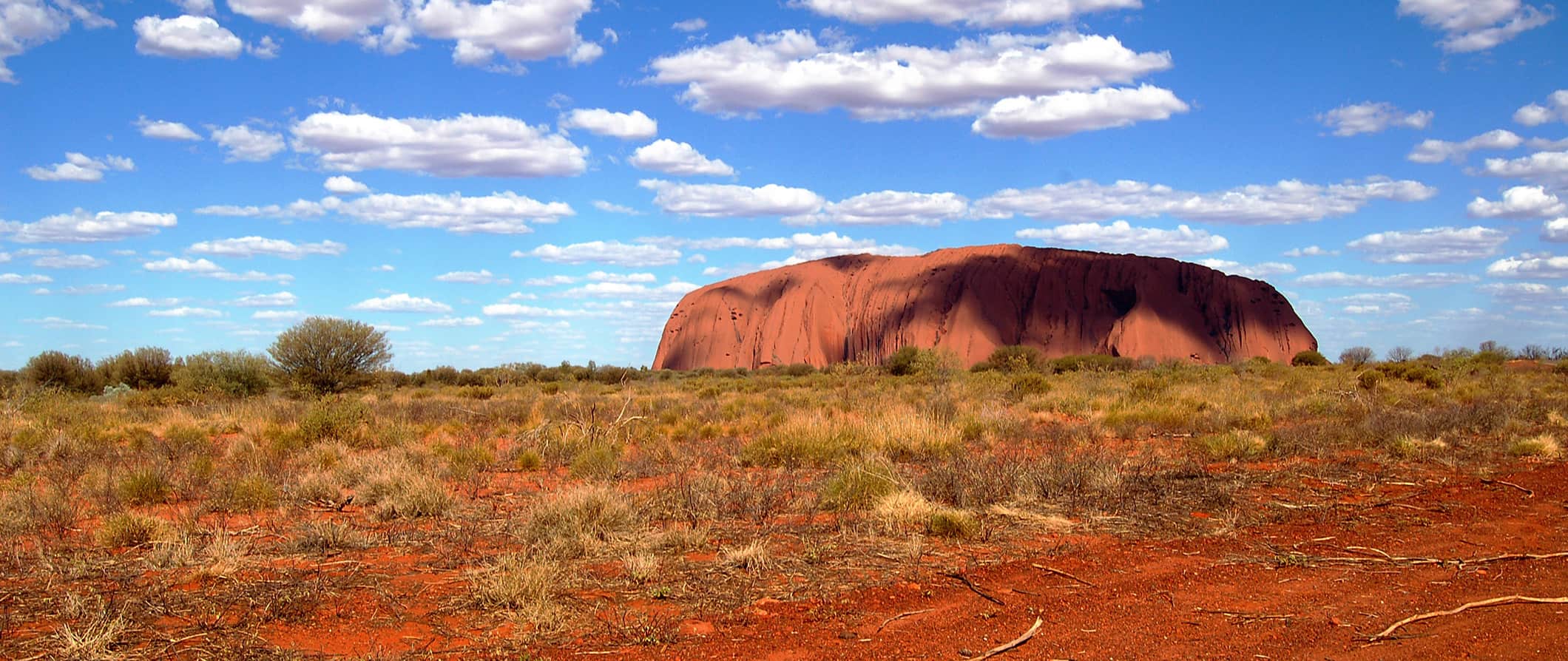
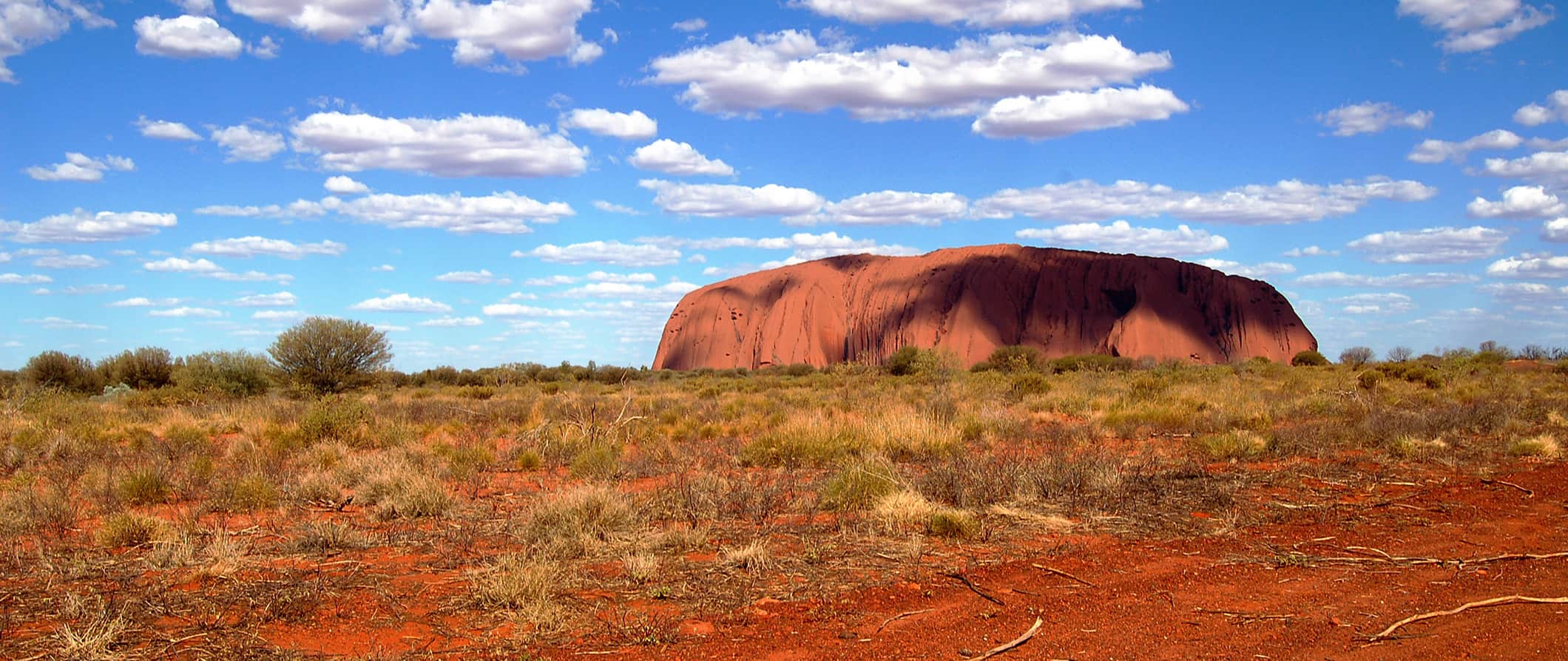
Alice Springs sits right in the heart of Australia, and the desert environment is a defining feature. It’s not a barren wasteland, though. It's a place of hidden waterholes, ancient ghost gums, and a surprising amount of wildlife. The light here is something else, too – especially at sunrise and sunset, when the colours are intense and unforgettable. Don’t rush through; spend a few days discovering what this remarkable town has to offer.
Desert Park: A Living Classroom
The Alice Springs Desert Park offers a comprehensive introduction to the ecological and cultural significance of this region. It's a conservation reserve and education centre showcasing the biodiversity of the central Australian deserts, divided into distinct habitat sections: woodland, sand country, and desert rivers, each recreated to feel authentic.
The nocturnal house allows observation of animals like bilbies, numbats, and mala (rock-wallabies) in their natural nighttime environment. The free-flight bird show is popular, offering a chance to see raptors and other desert birds up close, demonstrating their hunting skills and adaptations.
The Desert Park's commitment to Aboriginal cultural knowledge is a key feature. The park collaborates with local Arrernte people to share traditional ecological knowledge and demonstrate sustainable land management practices used for generations. Visitors can learn about bush tucker, traditional medicines, and the spiritual connection between the Arrernte people and the desert.
Allow at least half a day to explore the park. Walking trails, interpretive displays, and guided tours are available. It's a place to learn and deepen appreciation for the unique environment around Alice Springs.
Adventure Activities: From Above and Below
Alice Springs offers adrenaline-pumping activities, from hot air ballooning to 4WD tours and camel treks. Sunrise hot air balloon flights provide views of the desert, MacDonnell Ranges, and the town. Expect to pay $250 to $350 per person, depending on the operator and duration.
4WD tours are popular for exploring the West MacDonnell Ranges, known for gorges, waterholes, and hiking trails. The Mereenie Loop is a more challenging, remote track through spectacular country. Self-driving requires a high-clearance 4WD; guided tours are also available.
Camel trekking offers a unique way to experience the desert and its history. Camels were important in early Australian exploration and settlement, and a trek provides a slower, immersive experience. Operators offer treks from a few hours to multi-day adventures. Expect to pay around $150 for a half-day trek.
Mountain biking is gaining popularity, with trails for all levels. The Telegraph Station area has easy trails, while the West MacDonnell Ranges offer more challenging climbs and descents. Bikes can be rented in town or brought along. The trails near Emily Gap are rewarding.
Essential Gear for Your Alice Springs Desert Adventure
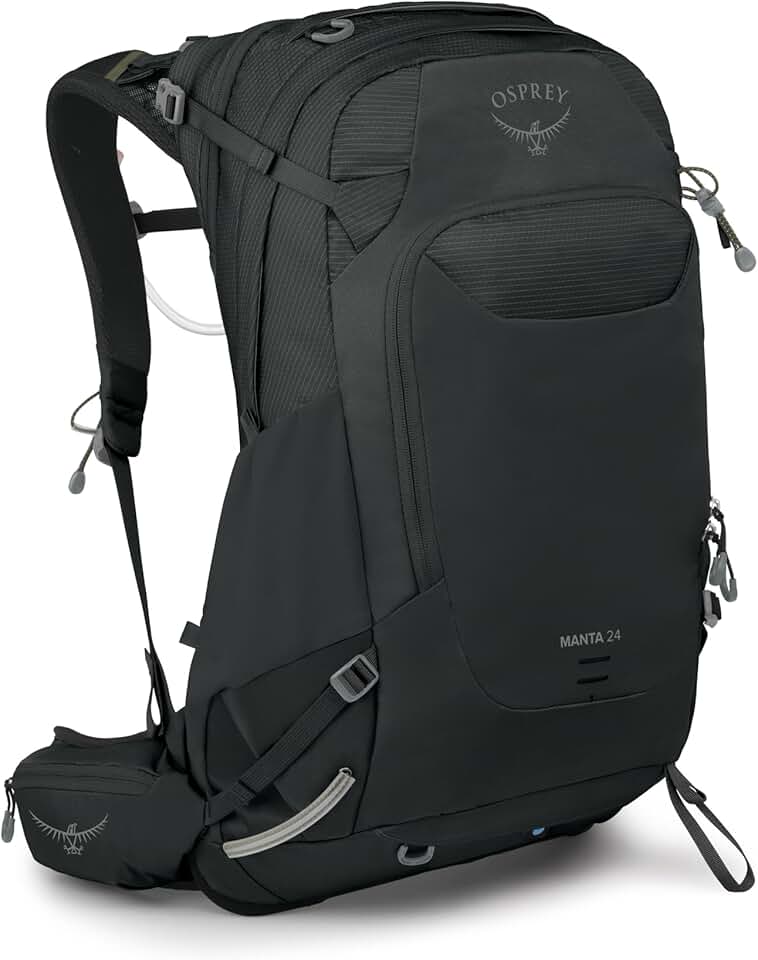
3L Hydraulics Reservoir included · Zippered back panel access to main compartment · Integrated raincover
This backpack is designed for comfort and hydration, essential for long hikes in the Alice Springs heat.

Waterproof nubuck leather upper · Vibram TC5+ outsole for grip · M Select FRESH antimicrobial treatment
These boots offer excellent waterproofing and support, crucial for navigating the varied terrain around Alice Springs.

Omni-Shade UPF 50 sun protection · Omni-Wick moisture-wicking fabric · Ventilated back
Protect yourself from the intense desert sun with this breathable, UPF-rated shirt, designed for active outdoor use.

10,000mAh capacity · PowerIQ technology for fast charging · Compact and lightweight design
Keep your essential devices charged on the go with this reliable and portable power bank.

Designed for 1-2 people for up to 2 days · Includes wound care, blister treatment, and pain relief · Waterproof and durable container
This compact medical kit provides essential supplies for treating common injuries encountered during desert adventures.
As an Amazon Associate I earn from qualifying purchases. Prices may vary.
Royal Flying Doctor Service: A True Outback Story
A visit to the Royal Flying Doctor Service (RFDS) base in Alice Springs is recommended. It tells the story of providing essential medical care to remote communities. The RFDS uses a fleet of aircraft to deliver doctors, nurses, and medical supplies across vast distances.
The visitor centre provides insight into the RFDS's history and current operations. Interactive exhibits include a simulated medical scenario. Visitors can also see the aircraft and learn about the technology used.
The RFDS is a vital service providing a lifeline to remote communities with medical care that would otherwise be inaccessible. The service relies on donations and fundraising, so visits contribute to its ongoing work. It highlights the challenges and resilience of outback life.
Art, Culture, and Aboriginal Experiences
Alice Springs has a thriving art scene, especially Aboriginal art. Several art centres showcase local artists' work, offering authentic pieces and stories. Papunya Tula Art Centre is well-known, representing Western Desert artists renowned for bold, colourful paintings.
Tangentyere Artists supports artists from the Central Desert region. The art often depicts Dreamtime stories, ancestral beings, and the landscape. These paintings preserve and share culture.
Cultural tours led by Aboriginal guides offer a deeper understanding of the land, its history, and its significance to the Arrernte people. Seeking out a tour led by local people provides an authentic and respectful experience, allowing direct learning from the custodians of this land.
When purchasing art, buy directly from reputable art centres or artists to ensure fair prices for artists and authentic pieces.
Hidden Gems: Beyond the Tourist Trail
While the main attractions are well worth visiting, Alice Springs has plenty of hidden gems for those willing to explore a little further. Emily and Jessie Gaps Nature Park is a beautiful spot for a walk, with ancient rock art and stunning views. It’s a significant cultural site for the Arrernte people.
The Olive Pink Botanic Garden is another peaceful escape, showcasing a diverse collection of central Australian plants. It’s a great place to learn about the native flora and fauna. There’s also a small cafe where you can enjoy a coffee or a light meal.
For something a little different, head to the Alice Springs Reptile Centre. It’s home to a variety of reptiles, including snakes, lizards, and crocodiles. It’s a fascinating place to learn about these often-misunderstood creatures. I’m not sure I’d call myself a reptile enthusiast, but I found it surprisingly engaging.
To experience a more authentic side of Alice Springs, venture beyond the main tourist areas and explore the local cafes and restaurants. You’ll find some hidden culinary gems serving up delicious food and friendly service. Try the Overlanders Steakhouse for a classic outback experience.
Planning Your Trip: Logistics and Practicalities
The best time to visit Alice Springs is during the cooler months, from April to September. The summers (December to February) can be extremely hot, with temperatures often exceeding 40°C (104°F). The shoulder seasons (March and October) offer pleasant weather and fewer crowds.
Getting around Alice Springs is easiest with a rental car, especially if you plan to explore the surrounding areas. Public transport is available, but it’s limited. Several car rental companies operate at the airport and in town. Expect to pay around $60 to $100 per day for a basic rental car.
Accommodation options range from budget backpacker hostels to luxury resorts. There are also plenty of motels and hotels to choose from. Prices vary depending on the time of year and the level of comfort. Expect to pay around $100 to $200 per night for a mid-range hotel.
Essential packing items include sun protection (hat, sunscreen, sunglasses), layers of clothing (as temperatures can fluctuate), comfortable walking shoes, and a reusable water bottle. It's also a good idea to bring insect repellent, especially if you plan to spend time outdoors in the evening. A good camera is essential for capturing the stunning scenery.
No comments yet. Be the first to share your thoughts!