

Mainz: A Rhine Valley Introduction
Mainz, often overlooked for its more famous Rhine Valley neighbors, quietly captivates. It offers layers of history, a lively atmosphere, and a genuine sense of place at the confluence of the Rhine and Main rivers, blending Roman roots, medieval charm, and modern energy.
For centuries, Mainz held significant power as an Archbishopric, a legacy visible in its architecture and cultural institutions. Its importance extends beyond religious history; this is where Johannes Gutenberg revolutionized the world with his printing press, forever changing knowledge dissemination. The city feels lived-in, offering discoveries around every corner.
Mainz possesses an authenticity missing in more heavily touristed areas of Germany. It rewards exploration, inviting you to wander its narrow streets, sample local wines, and delve into its fascinating past. It offers a quieter, more contemplative experience, perfect for travelers seeking something beyond the usual Rhine Valley itinerary.
Gutenberg & Mainz’s Printing Legacy
Johannes Gutenberg’s invention of the printing press with movable type in Mainz around 1450 was a pivotal moment in human history. Before Gutenberg, books were painstakingly copied by hand, making them expensive and rare. His innovation democratized knowledge, paving the way for the Renaissance, the Reformation, and the modern world.
The Gutenberg Museum immerses visitors in this history. It houses original Gutenberg Bibles, reconstructed printing presses, and details on the intricate process of typesetting, showcasing the ingenuity of Gutenberg’s creation. The physical demands of early printing are particularly striking.
Mainz celebrates its connection to Gutenberg with annual festivities, typically held in August. These events include a market with historical crafts, demonstrations of printing techniques, and a parade featuring costumes and floats representing different eras of printing history. The festivities offer a lively way to experience the city’s cultural heritage and demonstrate how deeply ingrained Gutenberg's legacy is in the city’s identity.
Roman Mainz: Echoes of the Past
Long before Gutenberg, Mainz was Mogontiacum, a significant Roman fort and provincial capital established around the 1st century AD. It served as a critical military base and trading hub. Remnants of this Roman past are scattered throughout the city, offering a glimpse into life nearly two millennia ago.
The most impressive surviving structure is the Roman Theatre, discovered during construction in 1999. Though partially reconstructed, it conveys the scale and grandeur of Roman entertainment. The Archaeological Museum of Mainz houses a collection of artifacts unearthed from the Mogontiacum site, including pottery, tools, jewelry, and skeletal remains.
The Roman bath complex provides insight into the daily routines and social life of the Roman inhabitants. Imagining soldiers and civilians gathering to socialize and relax brings the history to life. The museum contextualizes these artifacts, helping visitors understand life in Roman Mainz.
Mainz’s Architectural Highlights
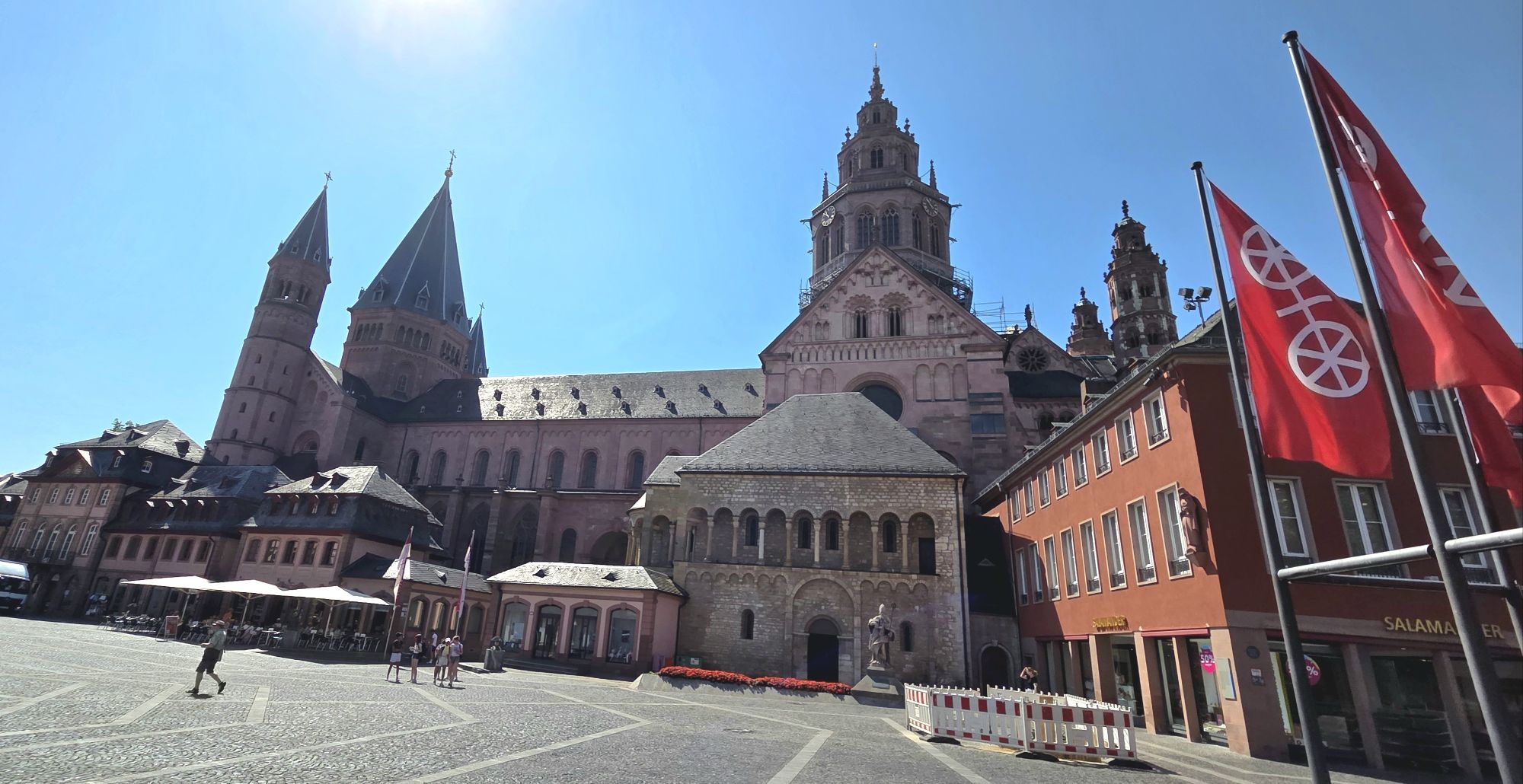
Mainz’s architecture blends styles, reflecting its long and complex history. The Mainz Cathedral, or Dom, is the city’s most prominent landmark. Construction began in the 10th century on the site of a Roman basilica, and the building has been modified and expanded over centuries, resulting in a mix of Romanesque and Gothic elements.
The Electoral Palace (Kurfürstliches Schloss) is another architectural highlight. Originally built in the 17th century, it served as the residence of the Archbishops and Electors of Mainz. It’s a magnificent Baroque structure with a grand facade and ornate interiors. Today, it houses state offices and museums. The palace’s scale is impressive.
Beyond these grand monuments, Mainz’s charm lies in its well-preserved half-timbered houses in the old town. Wandering through the narrow streets reveals quaint shops, traditional restaurants, and hidden courtyards. The Kirschgarten area is picturesque, with gabled houses, fountains, and cobblestone streets. It’s a place to get lost and soak up the atmosphere.
Wine & Dining: A Local’s Guide
Mainz and the surrounding Rhine Valley are known for their wine production. The region’s moderate climate and fertile soil are ideal for growing grapes, particularly Riesling and Silvaner. A unique feature of the area are the Straußwirtschaften – traditional wine taverns serving locally produced wine and simple, hearty food.
These Straußwirtschaften are often family-run and offer an authentic experience. They are typically open seasonally, from spring to autumn, and provide a relaxed and convivial atmosphere. Don’t expect a fancy menu; the focus is on fresh, local ingredients and good wine. Look for ones slightly outside the main tourist areas for a more local experience.
For a more formal dining experience, consider Zum goldenen Hahn (€20-€35 per person), known for its regional cuisine and extensive wine list. Enoteca La Romantica (€30-€50 per person) offers a sophisticated Italian menu with a focus on fresh seafood. For a casual bite, Schlossgarten Restaurant (€15-€25 per person) serves traditional German dishes in a charming setting.
- Zum goldenen Hahn: Regional German cuisine, extensive wine list (€20-€35)
- Enoteca La Romantica: Italian, seafood-focused, sophisticated (€30-€50)
- Schlossgarten Restaurant: Traditional German, casual setting (€15-€25)
Savor Rhine Valley Wines at Home: Essential Accessories for Wine Lovers

Designed specifically for aromatic white wines like Riesling and Sauvignon Blanc · Enhances the aroma and flavor profile of your wine · Set of 2 tumblers
These tumblers are ideal for savoring the nuanced flavors of Rhine Valley Riesling, bringing a touch of Mainz's wine culture to your home.

Classic, timeless design · Durable cast iron construction · Perfect for serving and keeping food warm
While not directly for wine, this versatile serving piece can complement a Rhine Valley-inspired meal, allowing you to recreate the dining experience.

Keeps wine chilled for extended periods · Includes a foil cutter, stopper, and ebook · Features a decanting aerator and drip-free pourer
This set ensures your white wines, like a chilled Riesling, remain at the perfect temperature, enhancing your tasting experience.
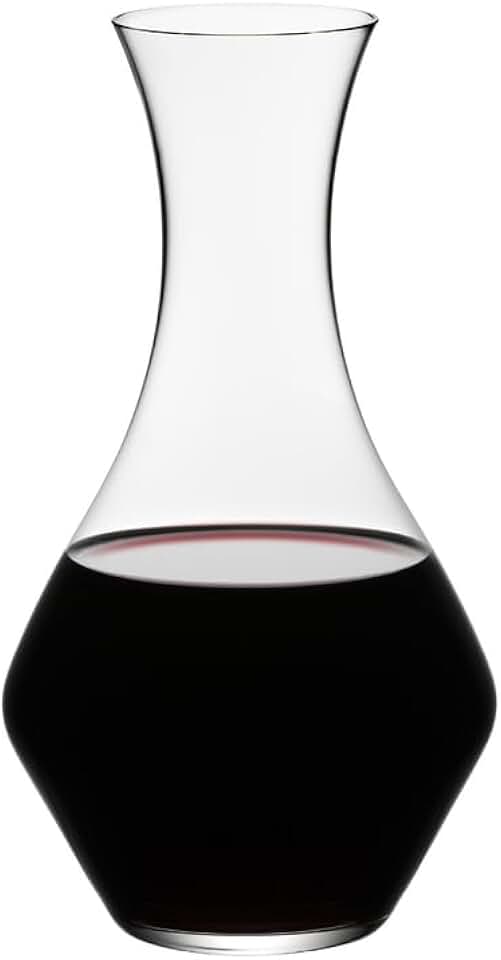
Crafted from fine crystal glass · Designed to aerate red wines, softening tannins and enhancing flavor · Elegant design for presentation
While the Rhine Valley is known for whites, this decanter is perfect for any red wine you might enjoy after exploring Mainz, allowing for optimal flavor release.

Electric aeration for immediate flavor enhancement · Adjustable aeration time (0-4 hours) · Rechargeable and easy to use
This electric aerator quickly unlocks the full potential of any wine, allowing you to appreciate the complex notes of Rhine Valley varietals with ease.
As an Amazon Associate I earn from qualifying purchases. Prices may vary.
Carnival in Mainz: A February Spectacle
Mainz is famous throughout Germany for its Carnival celebrations, known as Fastnacht. The festivities reach their peak on Rosenmontag (Rose Monday), the day before Ash Wednesday, featuring colorful costumes, satirical parades, and boisterous revelry. It’s a tradition with roots stretching back centuries.
The main event is the parade, where elaborately decorated floats and costumed participants parade through the city streets, poking fun at politicians, current events, and local personalities. The atmosphere is electric, with crowds lining the streets and joining in the festivities. It’s an immersive experience, and you’ll be swept up in the energy.
Beyond the parade, numerous smaller events and parties take place throughout the city during Carnival. Many pubs and clubs host special events, and impromptu street parties break out everywhere. Expect a lot of noise, crowds, and general merriment. It's a side of Mainz that’s both chaotic and fun.
Day Trips from Mainz
Mainz’s central location in the Rhine Valley makes it a good base for exploring the surrounding region. Rüdesheim am Rhein
Eltville am Rhein, known as the “Town of Roses and Wine,” is another charming town worth visiting. It’s easily accessible by train or bus and offers picturesque vineyards, historic castles, and a relaxed atmosphere. It’s a bit quieter than Rüdesheim, making it a good choice for a more peaceful day trip.
The Lorelei rock, a towering slate cliff overlooking the Rhine, is a legendary landmark. According to folklore, a siren named Lorelei lured sailors to their deaths with her enchanting song. You can reach the Lorelei by train or boat, and the views from the top are spectacular. A combination of history and natural beauty makes it a memorable excursion.
- Rüdesheim am Rhein: 30 minutes by train, Drosselgasse, Niederwald Monument
- Eltville am Rhein: Easily accessible by train/bus, vineyards, castles
- Lorelei Rock: Train or boat, legendary landmark, scenic views
Day Trip Options from Mainz
| Destination | Travel Time from Mainz | Key Attractions | Vibe | Suitability for |
|---|---|---|---|---|
| Rüdesheim am Rhein | Approximately 30-45 minutes by train | Drosselgasse (famous lane with wine taverns), Niederwald Monument, Siegfried's Mechanical Music Cabinet | Romantic, Lively | Couples, Groups of Friends, Solo Travelers |
| Cochem | Approximately 1 hour 15 minutes - 1 hour 45 minutes by train (with changes) | Reichsburg Cochem Castle, Cochem Old Town, Moselle River promenade | Picturesque, Historical | Families, Couples, History Buffs |
| Trier | Approximately 2 - 2.5 hours by train | Porta Nigra (Roman gate), Trier Cathedral, Roman Amphitheater | Historical, Cultural | History Enthusiasts, Solo Travelers, Couples |
| Heidelberg | Approximately 1 hour 30 minutes - 2 hours by train | Heidelberg Castle, Old Bridge, Philosophenweg (Philosopher's Walk) | Romantic, Historical, University Town | Couples, Students, Families |
| Koblenz | Approximately 30-40 minutes by train | Deutsches Eck (German Corner), Ehrenbreitstein Fortress, Koblenz Old Town | Historical, Scenic | Families, Couples, Day Trippers |
| Wiesbaden | Approximately 30-40 minutes by train | Kurhaus Wiesbaden, Hessian State Theatre, Neroberg mountain | Elegant, Relaxed, Spa Town | Couples, Those seeking relaxation |
Illustrative comparison based on the article research brief. Verify current pricing, limits, and product details in the official docs before relying on it.
Practicalities: Getting Around & Staying Safe
Mainz is easily accessible by train, with frequent connections to major German cities like Frankfurt, Cologne, and Berlin. Frankfurt Airport (FRA) is the closest international airport, about 30 minutes by train. Driving is also an option, but parking in the city center can be limited and expensive.
Getting around Mainz is straightforward. The city has an efficient public transportation system, including trams and buses. Walking is also a great way to explore the old town and many of the main attractions. A single ticket for the local transport costs around €2.70 as of late 2023.
Mainz is generally a safe city, but it’s always wise to be aware of your surroundings and take precautions against pickpockets, especially in crowded areas. The best neighborhoods to stay in are the old town (Altstadt) for its central location and charming atmosphere, or the Neustadt (New Town) for a more modern vibe. Remember to validate your train tickets before boarding.


No comments yet. Be the first to share your thoughts!