

Mainz: A First-Timer’s Impression
Mainz feels distinct from many other German cities. History here isn't just remembered; it's lived among. The Roman past is remarkably present, woven into the old town's fabric, visible in its architecture, street layout, and the city's spirit.
My first visit was a surprise. I expected another charming German town, but Mainz offered a sense of continuity, with layers of history stacked upon one another. Walking through the Kirschgarten neighborhood, with its half-timbered houses and gabled roofs, felt transportive. The scent of wine hangs in the air, a reminder of the region’s viticultural heritage.
It's a city that rewards wandering. Turn down a narrow street and you’ll likely stumble upon a hidden courtyard or a centuries-old fountain. Mainz isn’t about ticking off a list of monuments; it’s about soaking in the atmosphere and discovering its secrets at your own pace. It’s a place I’d happily return to, and I think many first-time visitors will feel the same.
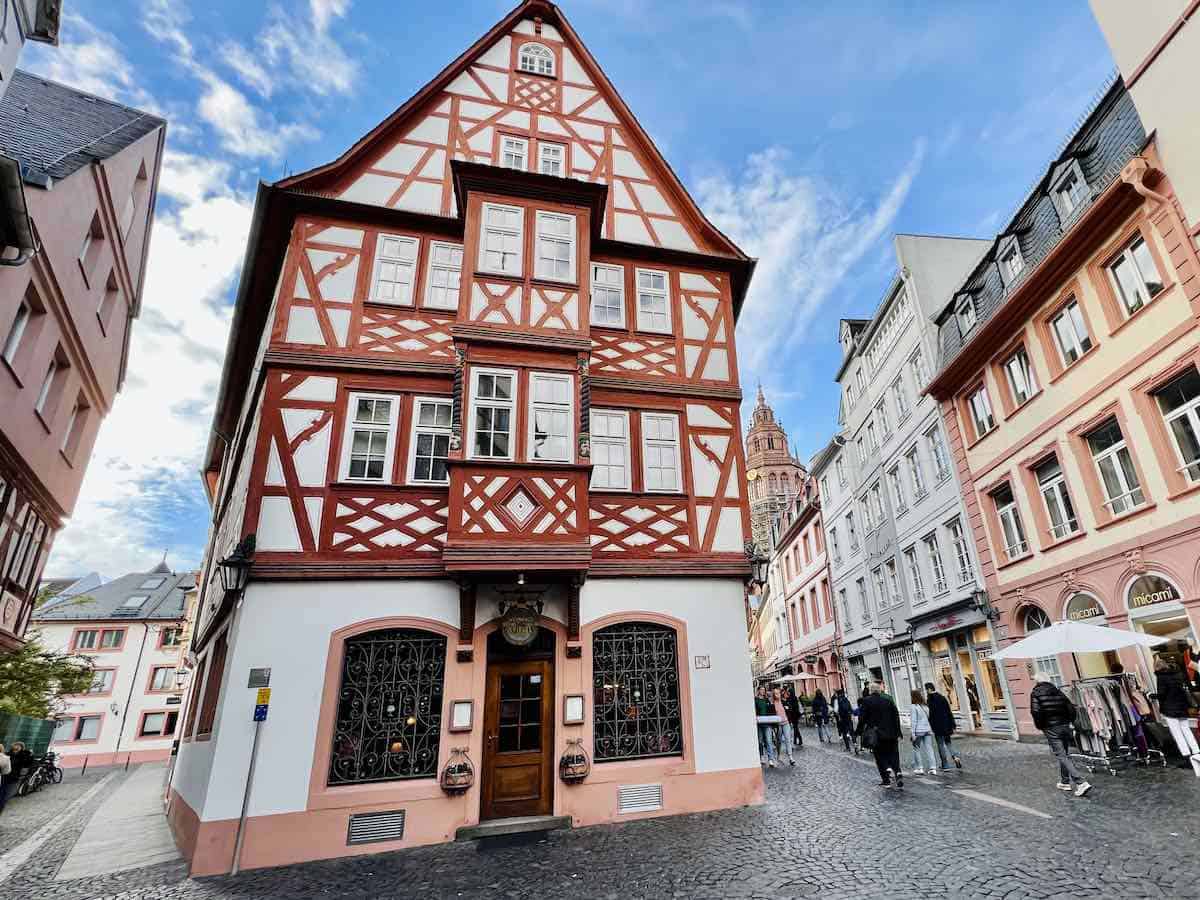
Roman Mainz & Historical Highlights
Mainz's story begins with the Romans. Founded as Mogontiacum around 38 BC, it became a major military and commercial center. Roman remnants are well-preserved. The Roman Theatre, though partially excavated, offers a glimpse into the city’s ancient entertainment scene. People gathered here for performances over two thousand years ago.
The Roman Museum, built on a former Roman bath complex, houses artifacts unearthed in Mainz, including mosaics, sculptures, pottery, and everyday objects offering insights into Roman life. Walking through the museum reveals the scale and sophistication of Roman Mogontiacum. Sections of the city’s original fortifications are still visible today.
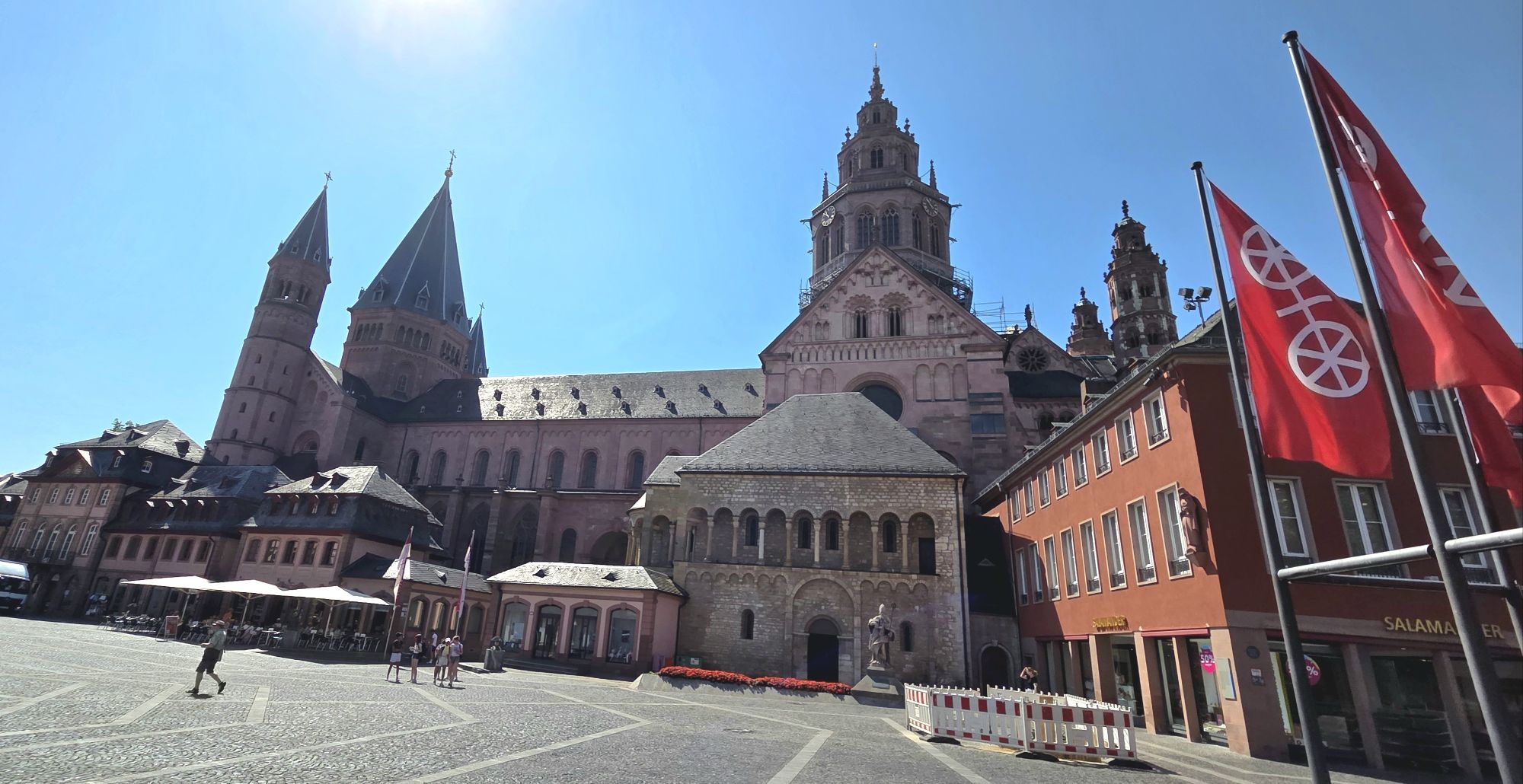
Mainz also evolved into a significant medieval center, with the Mainz Cathedral, a Romanesque masterpiece, dominating the skyline. Johannes Gutenberg is another key figure. The Gutenberg Museum celebrates the inventor of the printing press and showcases early printed books, an invention that changed the world. The museum offers a look at the history of printing and its impact.
Mainz’s Top Restaurants: From Traditional to Modern
Mainz offers a diverse culinary scene, from traditional German fare to international cuisine, with options to suit any budget. This list includes a mix of options based on local recommendations.
For a classic German experience, Zum Stübchen is a good choice. It's a cozy, traditional restaurant serving hearty Rhineland cuisine, with dishes like sauerbraten and schnitzel, accompanied by local wine. Expect to pay around €25-€35 per person. Eichbaum Brauhaus offers traditional German food in a lively atmosphere.
For modern dining, Krone offers a refined experience focusing on seasonal ingredients. The menu changes regularly, featuring creative dishes. It's pricier, around €40-€60 per person, suitable for a special occasion. Hofgut Laubenheim, located outside the city center, provides a farm-to-table experience with its own produce and seasonal dishes.
For Italian, La Dolce Vita is known for its authentic pasta and pizzas (€20-€30). Sultan offers Turkish cuisine at reasonable prices (€15-€25). Baba Green is a good choice for vegetarian and vegan food. Weinhaus Schmitz is a wine bar serving small plates. Burger & Friends is popular for burgers (€15-€20). For a quick bite, try Döner Kebab Mainz (€8-€12).
- Zum Stübchen: Traditional German, €25-€35
- Eichbaum Brauhaus: Traditional German, lively atmosphere
- Krone: Modern German, seasonal ingredients, €40-€60
- Hofgut Laubenheim: Farm-to-table, outside city center
- La Dolce Vita: Italian, €20-€30
- Sultan: Turkish, €15-€25
- Baba Green: Vegetarian/Vegan
- Weinhaus Schmitz: Wine bar, small plates
- Burger & Friends: Burgers, €15-€20
- Döner Kebab Mainz: Döner, €8-€12
Savoring Mainz: Essential German Cookbooks and Rhine Wine Guides

Features traditional German recipes · Focuses on authentic home cooking flavors · Provides a taste of Germany's culinary heritage
This cookbook offers authentic recipes to help you recreate the traditional flavors of German home cooking, perfect for understanding Mainz's culinary heritage.

Comprehensive guide to wine · Covers wine regions, varietals, and tasting techniques · Accessible for beginners and enthusiasts alike
This essential guide provides a foundational understanding of wine, enhancing your appreciation for the renowned wines of the Rhine Valley.

Focuses on the wines of the Rhône Valley · Offers practical advice for wine travelers · Includes regional profiles and producer recommendations
While focused on the Rhône, this guide's approach to understanding regional wine characteristics can deepen your appreciation for the nuances of Rhine Valley wines.

Showcases classic German dishes · Includes recipes for traditional favorites like Semmelknödel and Sauerbraten · Offers detailed instructions for authentic preparation
This cookbook delves into classic German cooking, providing recipes for beloved traditional dishes that are central to the culinary landscape of Mainz.

Expert insights from a sommelier · Covers wine tasting, service, and pairing · A detailed resource for wine professionals and serious enthusiasts
This comprehensive guide offers expert knowledge on wine, elevating your understanding and enjoyment of the fine wines found in and around Mainz.
As an Amazon Associate I earn from qualifying purchases. Prices may vary.
Rhine Valley Day Trips from Mainz
Mainz's location makes it a good base for exploring the Rhine Valley. Towns and historical sites are within easy reach by train, boat, or car. Rüdesheim am Rhein is a popular day trip destination, known for its Drosselgasse, a narrow street lined with wine taverns and shops. A cable car goes up to the Niederwald Monument for valley views.
Bacharach is a smaller, tranquil town with a well-preserved medieval center. It's a good place to wander, explore the ruins of St. Werner's Chapel, and enjoy local wine. The Lorelei rock, famous from legend, is accessible from Bacharach. A boat trip along the Rhine offers a way to experience the valley’s beauty.
For castle enthusiasts, Burg Eltz is worth visiting. It’s further afield, but the castle, in a wooded valley, is worth the effort. Trains connect Mainz to many destinations, but a car offers more flexibility. Rüdesheim is recommended for first-time visitors, and Bacharach for those seeking a quieter experience. Families might enjoy boat trips, while solo explorers might prefer walking.
Wine Tours & Tasting Experiences
Mainz is in Rhineland-Palatinate, one of Germany’s premier wine regions, known for Riesling, Silvaner, and Pinot Noir. Wine tours and tasting experiences are available for different tastes and budgets.
Tour operators like Mainz Wine Tours and Rheinland-Pfalz Wine Tours offer guided wine tours from Mainz, typically including winery visits, tastings, and transportation. You can also create a self-guided tour. Many wineries are accessible by public transport, though a car offers easier access to remote locations.
Wineries to visit include Weingut Hans Wirsching in Iphofen (known for dry Rieslings), Weingut Dönnhoff in Oberhausen (for its
Mainz Weekly Market: A Local’s Favorite
The Mainz weekly market is held every Tuesday, Friday, and Saturday on the Schillerplatz. It's a vibrant and bustling market where you can find a wide array of local products, from fresh fruits and vegetables to regional cheeses, sausages, and baked goods. It's a fantastic place to experience local life and sample some of the region’s culinary delights.
You’ll also find stalls selling flowers, plants, crafts, and clothing. It gets crowded, especially on Saturdays, but that’s part of the fun. I recommend arriving early to get the best selection. Don't be afraid to try some of the local specialties – the Handkäs mit Musik (a type of sour milk cheese) is a regional favorite. It’s a great place to practice your German and interact with the friendly vendors.
Practicalities: Getting Around & Staying Connected
Mainz is well-connected by train, with frequent services to Frankfurt and other major German cities. The city also has a reliable public transport system, consisting of buses and trams. Taxis are readily available, but can be expensive. Walking is a great way to explore the old town, but be prepared for cobblestone streets.
Wi-Fi is available in most hotels, cafes, and restaurants. I’m not sure about the current state of mobile data roaming charges, so it's best to check with your mobile provider before you travel. The currency in Germany is the Euro (€). ATMs are widely available, and credit cards are accepted in most establishments. Emergency contact numbers include 112 for police and ambulance.


No comments yet. Be the first to share your thoughts!