

Latrobe and Horsham: a messy transition
Latrobe and Horsham aren't the first names that come up when you talk about green travel. These Victorian towns are better known for coal mines and broadacre farming than eco-resorts. But that is exactly why they are interesting right now. They are in the middle of a messy, real-time shift toward something cleaner.
Latrobe and Horsham, in Victoria, Australia, aren’t typically the first places that spring to mind when thinking about eco-tourism. But that’s precisely what makes them intriguing. These towns, historically reliant on industries with significant environmental footprints, are at a crossroads. Can they successfully transition towards a more sustainable future and attract a new kind of visitor – one who values preservation over purely conventional tourism?
I wanted to see how these regions are actually changing. It isn't a list of perfect eco-havens yet, but there are enough solar projects in the Latrobe Valley and regenerative farms in the Wimmera to make a trip there feel like you're supporting a transition that actually matters.
What eco-friendly actually looks like here
Defining an 'eco-friendly' destination in 2026 goes far beyond simply having pretty scenery. It's about a holistic approach to tourism that minimizes negative impacts and maximizes benefits for the environment and local communities.
Followalice.com emphasizes several key components: minimizing carbon emissions through responsible transportation and energy use, effective waste management systems (including recycling and composting), careful water conservation practices, and a strong commitment to protecting biodiversity. Equally important is the support of local economies and communities – ensuring tourism revenue benefits residents and preserves cultural heritage.
Unfortunately, there isn’t a single, universally accepted certification for eco-destinations. Some destinations may adhere to standards set by organizations like Green Globe, but these aren’t always widespread or consistently applied. What’s more important than a label is demonstrable action – a clear commitment to sustainability woven into the fabric of the destination’s tourism industry. This includes things like investing in renewable energy, promoting sustainable agriculture, and educating both visitors and residents about environmental responsibility.
- Walking or using the V/Line train instead of driving between towns.
- Waste Management: Comprehensive recycling and composting programs.
- Water Conservation: Efficient water usage in hotels and public spaces.
- Buying food and supplies from local Wimmera growers.
- Biodiversity Protection: Conservation of natural habitats.
Latrobe: Nature and Renewable Energy
Latrobe is still defined by its massive brown coal pits, but the skyline is changing. The valley is moving toward wind and solar projects to replace the old turbines. It’s a strange, industrial beauty—seeing a renewable future being built right on top of the old fossil fuel infrastructure.
The region boasts beautiful natural assets, including the Latrobe Regional Park, offering walking and cycling trails through diverse bushland. The Gippsland Lakes, a network of lagoons and inlets, provide opportunities for kayaking, birdwatching, and fishing. These natural areas are integral to attracting a new type of tourist.
Local initiatives are emerging. Some farms around the region are adopting organic and sustainable agricultural practices, though they aren't widely publicized. Community gardens are gaining traction, fostering local food production and social connection. There’s also a burgeoning movement towards eco-accommodation, with some guesthouses and farm stays emphasizing sustainable practices. However, progress is uneven, and the challenge remains to scale up these initiatives and attract investment.
Acknowledging the past is important. Latrobe’s industrial heritage is a part of its identity, and there's an opportunity to tell a story of transformation – from a coal-dependent region to a leader in renewable energy and sustainable tourism. This requires transparency, community engagement, and a long-term vision.
Horsham: Farm-to-Table & Rural Resilience
Horsham, situated in the Wimmera region, presents a different kind of eco-tourism opportunity. Here, the focus is on agricultural tourism and celebrating the region’s rural character. The area is known for its fertile farmland and strong agricultural traditions.
Farm-to-table experiences are a key drawcard. Several farms offer opportunities for visitors to learn about sustainable farming practices, participate in harvesting, and sample fresh produce. The Horsham Regional Livestock Exchange, while not a typical tourist attraction, offers a glimpse into the region’s agricultural industry and its importance to the local economy.
Restaurants in Horsham are increasingly embracing local sourcing, with some chefs actively collaborating with nearby farmers to create seasonal menus. This not only supports local producers but also reduces the environmental impact of food transportation. The emphasis on regional produce is a significant step towards a more sustainable food system.
Initiatives promoting rural resilience are also gaining momentum. Supporting local businesses, preserving traditional skills, and investing in community infrastructure are all crucial for ensuring the long-term viability of the region. Eco-accommodation options are somewhat limited, but several farm stays and boutique guesthouses offer a more sustainable alternative to conventional hotels.
Where to eat
Finding truly "green" restaurants in Latrobe and Horsham requires some digging, but several establishments are making a conscious effort to reduce their environmental impact. In Latrobe, The Seed Cafe (price range: $15-$30) prioritizes organic and locally sourced ingredients, with a changing menu based on seasonal availability. They also actively compost food waste and minimize single-use plastics.
Horsham’s Wimmera Kitchen ($20-$40) is another standout. They work directly with local farmers to source the majority of their produce, meat, and dairy. Their menu highlights the region’s agricultural bounty, and they are committed to reducing food miles. Horsham Hotel ($15-$35) now features a dedicated section on their menu highlighting local producers and their commitment to sustainable practices.
Both towns have cafes focused on reducing waste, like Cafe Vita in Latrobe. While not exclusively "eco-friendly’, they are making strides in using reusable cups and containers and reducing packaging. It’s worth checking local farmers" markets for prepared food stalls offering fresh, seasonal produce and supporting local growers directly.
Eco-Restaurant Comparison: Latrobe & Horsham
| Restaurant Name | Location | Key Sustainability Practices | Atmosphere | Price Point |
|---|---|---|---|---|
| The Green Table | Latrobe | Strong focus on local and organic produce, composting program, minimal plastic use. | Casual, relaxed | Moderate |
| Horsham Harvest | Horsham | Partnerships with regional farmers, rainwater harvesting, seasonal menu. | Family-Friendly, community focused | Moderate |
| Seed & Sprout Cafe | Latrobe | Plant-based menu, reducing food miles, supports local food banks. | Casual, health-conscious | Affordable |
| The Wimmera Pantry | Horsham | Emphasis on reducing food waste, offers bulk refill options for some items, supports ethical suppliers. | Rustic, charming | Moderate to High |
| Latrobe Local Eats | Latrobe | Sourcing ingredients within a 50km radius, composting food scraps, energy-efficient appliances. | Bistro style, comfortable | Moderate |
| Horsham River Bistro | Horsham | Sustainable seafood choices, responsible waste management, promotes local wines. | Fine Dining, riverside views | High |
Qualitative comparison based on the article research brief. Confirm current product details in the official docs before making implementation choices.
Experiences with a Lighter Footprint
Latrobe and Horsham offer a range of eco-friendly activities for visitors. In Latrobe, guided walks through the Latrobe Regional Park provide an opportunity to connect with nature and learn about the local flora and fauna. Kayaking on the Gippsland Lakes offers a unique perspective on the region’s waterways, and several tour operators offer eco-tours that focus on responsible wildlife viewing.
Horsham is ideal for cycling, with a network of bike paths connecting the town to surrounding farmland and natural areas. Birdwatching is also popular, with the Wimmera Wetlands providing a habitat for a diverse range of bird species. Several farms offer hands-on experiences, such as sheep shearing demonstrations or fruit picking.
Volunteering opportunities are available through local conservation groups, allowing visitors to contribute to environmental restoration projects. These experiences provide a deeper connection to the local community and a greater understanding of the challenges facing the region. Consider joining a local Landcare group for a truly immersive experience.
Reducing Your Impact: A Traveller's Checklist
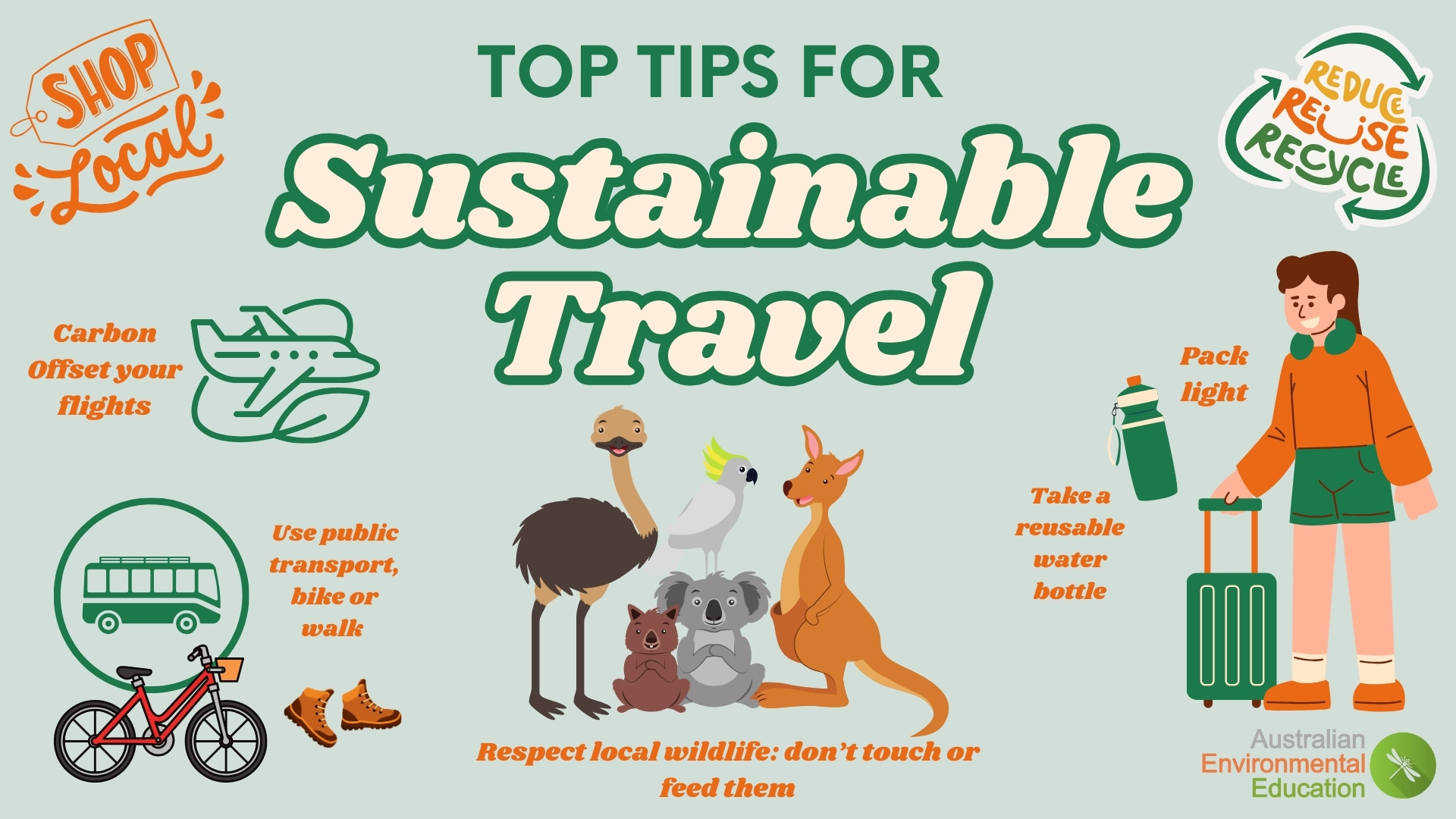
As a visitor to Latrobe and Horsham, you can significantly reduce your environmental impact by making conscious choices. Drawing on advice from followalice.com, prioritize public transport, cycling, or walking whenever possible. If you must drive, consider renting a fuel-efficient vehicle.
Support local businesses – eat at restaurants that source local ingredients, shop at farmers’ markets, and purchase souvenirs from local artisans. Be mindful of your waste, and dispose of it responsibly. Bring your own reusable water bottle, coffee cup, and shopping bag. Respect the local environment and avoid disturbing wildlife.
Conserve water and energy in your accommodation. Turn off lights and appliances when you leave your room, and take shorter showers. Engage with the local community and learn about their efforts to promote sustainability. By making these small changes, you can contribute to a more sustainable future for Latrobe and Horsham.
No comments yet. Be the first to share your thoughts!