

Beyond the Buzz: Why Sustainable Travel Matters in 2026
Travel is changing. It’s no longer enough to simply see the world; travelers are increasingly asking how their journeys impact it. The demand for sustainable travel is growing, and thankfully, it’s becoming more than just a marketing buzzword. It’s about a fundamental shift in perspective – recognizing that tourism has both benefits and costs, and actively choosing to minimize the negative ones.
For too long, "eco-tourism’ felt like a niche offering, often overshadowed by concerns about greenwashing. Many companies were, and still are, quick to label themselves ‘green’ without making substantial changes. In 2026, travelers are becoming more discerning, demanding transparency and evidence of genuine commitment. We"re looking beyond surface-level efforts and focusing on businesses that prioritize environmental protection, community well-being, and responsible resource management.
The impact of travel is undeniable. From carbon emissions from flights and transportation to the strain on local resources and potential disruption of cultural practices, tourism can leave a significant footprint. Choosing consciously – supporting local economies, respecting cultural norms, and minimizing our environmental impact – is more important than ever. It’s about leaving a place better than we found it.
Looking ahead to 2026, areas like Latrobe in Victoria and Horsham in the Wimmera region of Australia are emerging as interesting case studies. Both are actively working to redefine themselves through sustainable initiatives, and offer opportunities for travelers to experience a different kind of journey. They aren’t perfect, but their commitment to change is a good starting point.
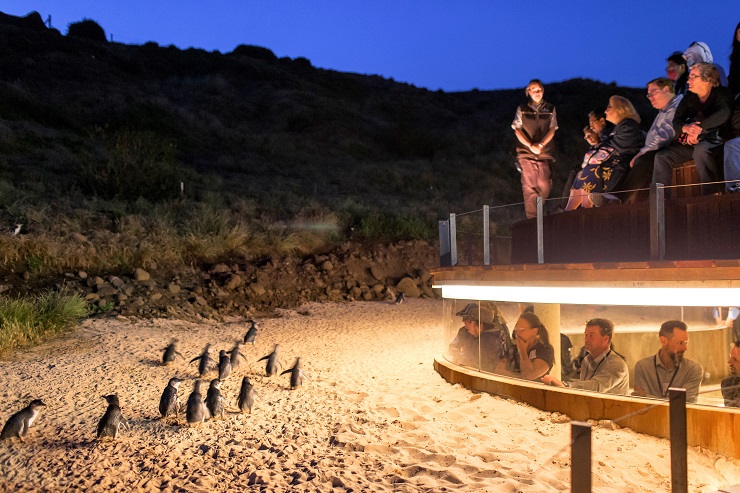
Latrobe Valley: From Coal to Conservation – A Transformation in Progress
The Latrobe Valley in Victoria has a complex history. For decades, it was defined by its reliance on coal mining, fueling much of the state’s energy production. But that era is drawing to a close, and the region is undergoing a remarkable transformation. It’s a story of resilience, adaptation, and a determined effort to build a more sustainable future. This isn’t a simple overnight change; it’s a long process with real challenges, but the direction is clear.
Community-led projects are revitalizing the land. Investments in solar and wind farms are replacing old industry. The rehabilitation of the Hazelwood Power Station site is the biggest project, turning a former mine into a mix of solar arrays and public parkland.
Accommodation options are starting to reflect this shift. Several guesthouses and farm stays prioritize sustainability, utilizing renewable energy sources and implementing water conservation measures. The Latrobe Regional Park offers fantastic birdwatching opportunities and a network of walking and cycling trails, allowing visitors to connect with the area’s natural beauty. Exploring the Gippsland Lakes, a short drive from Latrobe, provides opportunities for kayaking and other water sports.
What makes Latrobe particularly compelling is its honesty. It doesn't shy away from its past, but instead embraces the opportunity to demonstrate a sustainable future is possible. It's a region actively rebuilding, and travelers can be part of that story. The Loy Yang B power station remains operational, but the overall trend is undeniably towards a greener future. The focus is on responsible tourism that benefits the local community and protects the environment.
Horsham and the Wimmera: Sustainable Agriculture and Rural Experiences
Moving west, the Horsham and Wimmera region offers a different flavor of sustainable travel. Here, the focus is on the land – specifically, on the importance of sustainable agriculture. The Wimmera is a major agricultural area, and there’s a growing movement towards regenerative farming practices that prioritize soil health, biodiversity, and water conservation. While exact certification numbers for every farm aren't public, the shift in local practice is obvious.
Farm-to-table dining experiences are becoming increasingly popular, allowing visitors to savor the flavors of the region while supporting local producers. Many farms offer tours and workshops, providing insights into organic farming methods and the challenges of sustainable food production. Jarred Hill Wines is a good example, as they use organic viticulture. It's a direct way to see where your food comes from.
The nearby Grampians National Park is a major draw, but responsible visitation is key. Sticking to marked trails, respecting wildlife, and minimizing waste are essential. The park is a significant cultural site for the local Indigenous community, and respecting their connection to the land is paramount. Local Indigenous-led tours are the best way to understand the Grampians, though booking requires checking directly with the Gariwerd traditional owners for seasonal availability.
Horsham isn’t about flashy attractions; it's about experiencing the rhythm of rural life. It’s about slowing down, connecting with the land, and appreciating the hard work that goes into producing our food. The Wimmera Mallee Pipeline, while not a tourist attraction in itself, is a crucial piece of infrastructure that enables sustainable agriculture in the region by providing a reliable water supply.
Wimmera Region Farms & Producers
- Lardner Park Organic Farm – This farm focuses on organic produce and offers educational tours, showcasing sustainable farming practices. Visitors can learn about soil health and biodiversity. Visit Website
- Jarrett’s Nursery & Cafe – While primarily a nursery, Jarrett’s also grows a range of produce and features a cafe using locally sourced ingredients. They emphasize environmentally conscious gardening and growing practices. Visit Website
- Wattle Park Farm & Function Centre – A family-run farm offering a variety of experiences, including farm stays and direct sales of produce. They are committed to sustainable land management. Visit Website
- Blackwood Olives – Specialising in cold-pressed olive oil, Blackwood Olives employs sustainable farming methods and offers tastings and sales at the farm gate. Visit Website
- Grampians Olive Company – Producing award-winning olive oils and table olives, this company focuses on environmentally responsible growing and production techniques. They offer cellar door tastings. Visit Website
- Murrungowie Free Range Eggs – A local producer offering free-range eggs with a focus on animal welfare and sustainable farming practices. Eggs are available for direct purchase. Visit Website
- Horsham Regional Livestock Exchange (HRLX) - Community Days – While not a farm, HRLX occasionally hosts community days that showcase local producers and sustainable agriculture initiatives. Check their event schedule. Visit Website
Eco-Accommodation Choices: Where to Stay Consciously
Finding sustainable accommodation is easier than ever, but it requires a little research. Don’t just take a hotel’s word for it – look for concrete evidence of their commitment to sustainability. Are they using renewable energy sources? Do they have water conservation measures in place, like rainwater harvesting or low-flow showerheads? Are they actively involved in community projects?
In the Latrobe Valley, look for guesthouses and farm stays that prioritize local sourcing and energy efficiency. The Traralgon Vineyard, for example, incorporates sustainable practices into its operations. Around Horsham, options are more limited, but you can find farm stays and campsites that are committed to responsible land management. Expect to pay around $150-$300 per night for a more upscale eco-lodge, while campsites will be significantly cheaper.
Ecotourism Australia offers certification programs that can help you identify genuinely sustainable accommodation providers. Look for the Ecotourism and Advanced Ecotourism certifications, which indicate a high level of commitment to environmental and social responsibility. These certifications aren’t a guarantee of perfection, but they’re a good starting point.
Beyond certifications, consider the size of the accommodation. Smaller, locally owned businesses are often more committed to sustainability than large chain hotels. Ask questions, read reviews, and choose a place that aligns with your values. A simple question like "What are you doing to reduce your environmental impact?" can go a long way.
Latrobe, Horsham & Surrounds: Accommodation Sustainability Comparison - 2026
| Accommodation Name | Energy Use | Water Conservation | Waste Management | Community Involvement |
|---|---|---|---|---|
| Latrobe Hill Estate (Latrobe) | Good | Excellent | Good | Fair |
| Horsham Riverside Caravan Park (Horsham) | Fair | Good | Fair | Good |
| McKenzie’s Farmstay (near Horsham) | Excellent | Good | Excellent | Excellent |
| The Colonial Tramcar Restaurant (Latrobe - dining experience) | Fair (offset programs) | Good (water-efficient kitchen) | Good (recycling program) | Good (local sourcing) |
| Grampians Eco Lodge (near Horsham) | Excellent | Excellent | Excellent | Good |
| Comfort Inn Horsham (Horsham) | Good | Fair | Fair | Fair |
| Latrobe Valley Golf Club Accommodation (Latrobe) | Fair (implementing solar) | Good | Fair | Good (local employment) |
Illustrative comparison based on the article research brief. Verify current pricing, limits, and product details in the official docs before relying on it.
Low-Impact Activities: Exploring Nature Responsibly
The best way to minimize your environmental impact while traveling is to choose activities that are inherently low-impact. Hiking, cycling, kayaking, birdwatching, and wildlife spotting are all excellent options. These activities allow you to connect with nature without causing significant disturbance.
When hiking or cycling, stick to marked trails and avoid venturing off-trail, as this can damage fragile ecosystems. Respect wildlife by maintaining a safe distance and avoiding feeding animals. Remember the Leave No Trace principles: pack out everything you pack in, minimize campfire impacts, and respect other visitors.
Responsible wildlife viewing means keeping your distance. Avoid tours that bait or chase animals. Check the Australian Wildlife Guide for 2026 to see which operators have current ethical permits.hoose operators that prioritize animal welfare and conservation. In the Grampians National Park, for example, look for tours that focus on observing wildlife from a respectful distance. The park's visitor center can provide information on responsible viewing practices.
Consider volunteering in conservation projects. Several organizations in the Latrobe Valley and Wimmera region offer opportunities to get involved in habitat restoration, tree planting, and other environmental initiatives. This is a great way to give back to the community and learn more about the local environment.
Food and Drink: Savoring Local Flavors Sustainably
Food and drink are an integral part of any travel experience, and choosing sustainably can have a significant impact. Prioritize restaurants and cafes that source their ingredients locally and seasonally. This reduces food miles, supports local farmers, and minimizes the environmental impact of transportation.
Farmers' markets are a great place to find fresh, local produce and connect with the people who grow your food. In the Wimmera region, the Horsham Farmers Market is a popular destination. Look for organic and biodynamic produce, which is grown without the use of synthetic pesticides or fertilizers.
Many restaurants are actively reducing food waste through innovative practices like composting, donating surplus food, and using creative recipes to utilize all parts of ingredients. Ask restaurants about their food waste policies. Responsible seafood choices are also important; consult resources like the Good Fish Guide to make informed decisions.
Local wineries and breweries are also embracing sustainable practices. Look for producers that use organic grapes, conserve water, and minimize their energy consumption. The Gippsland region, near Latrobe, is home to several wineries committed to sustainable viticulture. Supporting these businesses helps to promote a more sustainable food system.
Eco-Experiences in Regional Victoria
- Latrobe City’s Traralgon Farmers Market - Held every third Saturday of the month, this market directly supports local farmers and producers, reducing food miles and promoting sustainable agriculture. Find fresh produce, baked goods, and artisan crafts. More information
- Horsham’s Wimmera Mallee Pipeline Walk - Explore the region's history and natural beauty along this repurposed pipeline. This walking and cycling trail offers a low-impact way to experience the Wimmera landscape. Learn more
- Tarra-Bulga National Park (near Latrobe) - Immerse yourself in ancient rainforests and coastal heathlands. Focus on Leave No Trace principles while hiking and appreciating the diverse flora and fauna. Park entry fees apply. Parks Victoria
- Grampians National Park (accessible from Horsham) - A renowned hiking and rock climbing destination. Choose established trails to minimize environmental impact and support the park’s conservation efforts. Consider a guided tour with a local eco-certified operator. Parks Victoria
- Local Produce Sourcing – Victoria (Statewide) – A recent discussion on Reddit highlights several restaurants across Victoria committed to sourcing ingredients from local farms and producers. Look for establishments actively promoting their relationships with regional suppliers when dining in either Latrobe or Horsham.
- Horsham Regional Art Gallery – Sustainable Exhibitions - Check the gallery's program for exhibitions that focus on environmental themes or showcase artists working with sustainable materials. Supporting local arts and culture can contribute to a vibrant and conscious community. Horsham Regional Art Gallery
- Gippsland Wine Region (near Latrobe) - Explore the numerous wineries in the Gippsland region, many of which are adopting sustainable viticulture practices, including organic farming and water conservation. Gippsland Wine
Getting There and Getting Around: Reducing Your Carbon Footprint
Minimizing your travel-related emissions is a key component of sustainable travel. When possible, choose train or bus travel over flying, as these modes of transportation have a significantly lower carbon footprint. Australia’s regional rail network isn’t extensive, but it’s improving.
If you do need to fly, consider carbon offsetting programs. However, be aware that these programs are not a perfect solution and their effectiveness is debated. It’s better to reduce your emissions in the first place than to rely solely on offsetting. Look for programs that are certified by reputable organizations.
Once you arrive in Latrobe or Horsham, consider renting an electric vehicle or using public transportation. Both towns have limited public transport options, but cycling and walking are excellent ways to explore the surrounding areas. Several bike-sharing schemes are available in larger towns and cities in Victoria.
Within Latrobe and Horsham, walking and cycling are the most sustainable ways to get around. Both towns have relatively flat terrain, making them ideal for exploring on foot or by bike. Plan your itinerary to minimize the need for driving and embrace the opportunity to slow down and connect with the local environment.
2. Typed a single prompt. Got a full eco-tourism site. In minutes.
— Md Santo (@codeMdSanto) June 20, 2025
"Make a site for sustainable travel tips and eco-friendly destinations."
Built with zero hassle via 🔗 https://t.co/JxFWQbDp9M pic.twitter.com/mdd2ESvyty
No comments yet. Be the first to share your thoughts!