
Start in the red center
Begin your world holiday itinerary in the Australian outback. Alice Springs offers a stark contrast to urban centers, grounding your journey in the raw landscape of the Northern Territory. The red earth and vast horizons provide a visual reset before moving toward more populated global destinations.
The town sits at the geographic heart of Australia, serving as a gateway to Uluru and Kata Tjuta. Visitors often use this stop to acclimate to the dry heat and sparse infrastructure. It is a place defined by its remoteness, where the nearest major city is hours away by road or air.
Travel here requires preparation. Supplies are limited, and distances between points of interest are significant. Planning your route through the red center ensures you have enough fuel and water for the drive. The experience is less about convenience and more about immersion in a unique environment.
Cross the Pacific to Asia
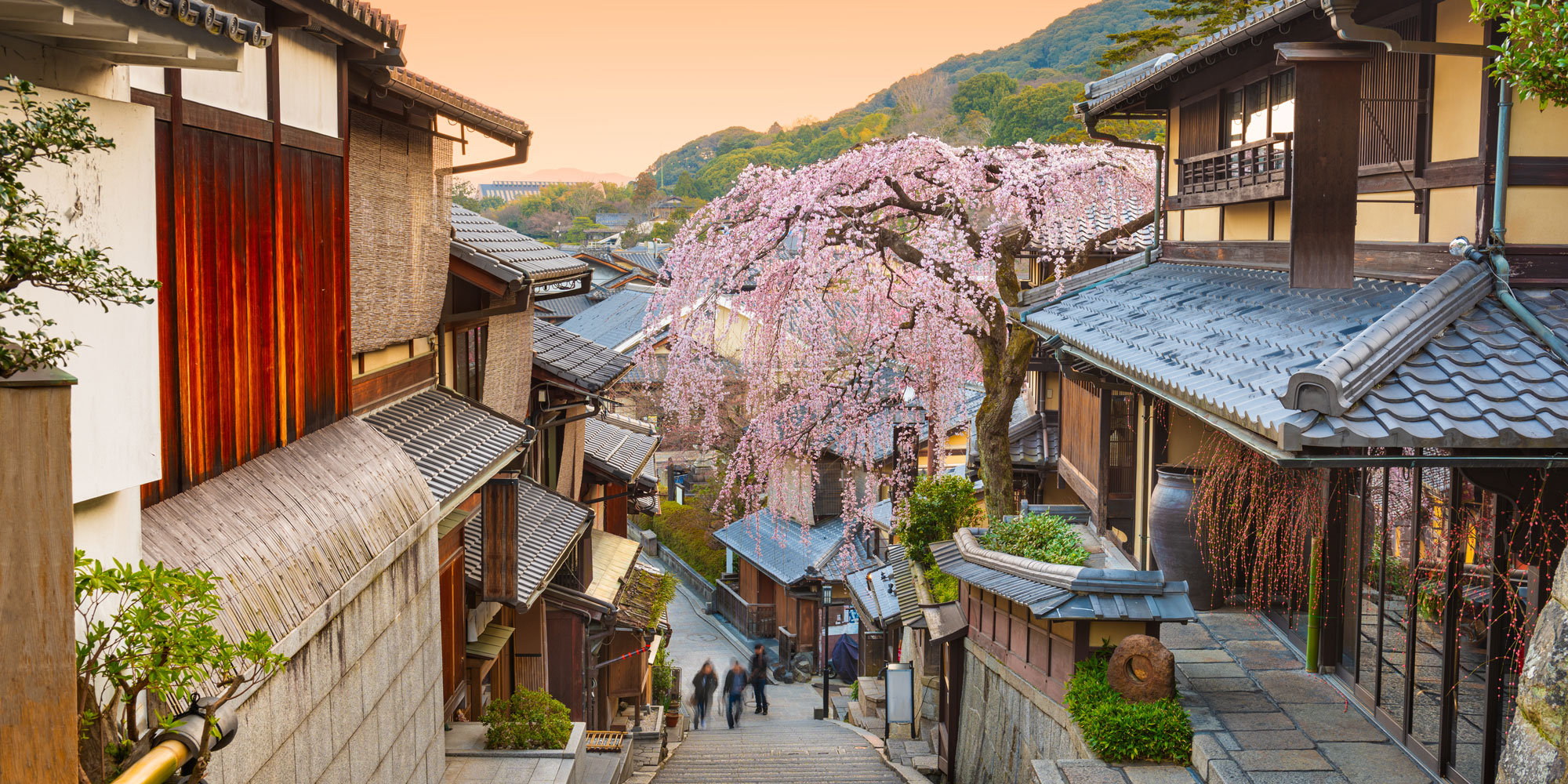
Shifting from the Australian outback to Asia means trading wide-open spaces for dense, vibrant urban centers. Tokyo and Kyoto offer a stark contrast to Alice Springs, packing centuries of tradition into modern, high-speed infrastructure. The logistical shift is immediate: you are moving from car-dependent travel to one of the world’s most efficient rail networks.
Timing is critical for this leg of the journey. The cherry blossom season in late March and early April draws massive crowds to Kyoto’s temples, while October and November offer crisp air and stunning foliage. Avoiding these peak windows can save you from inflated hotel prices and congested transit hubs.
Cultural immersion here requires a different pace than the slow burn of the Red Centre. In Tokyo, master the subway by using a Suica card for seamless travel. In Kyoto, reserve tea houses and temple visits well in advance, as these experiences are not walk-in friendly. The goal is to blend into the rhythm of the city rather than observing it from a distance.
European Heritage Stops
Crossing into Europe shifts the focus from natural vastness to concentrated history. The continent’s major cities offer dense layers of architecture, museums, and urban planning that reward slow travel. Instead of rushing through capitals, multi-city itineraries work best when you group destinations by rail connectivity or short-haul flight paths. This approach reduces transit fatigue while maximizing time spent inside the cities themselves.
Rome, Prague, and Mainz represent three distinct flavors of European heritage. Rome demands days for its ancient ruins and Vatican City. Prague offers a compact, walkable medieval center that feels preserved in time. Mainz provides a quieter, riverside alternative on the Rhine, perfect for a slower pace. Choosing between them depends on whether you prioritize monumental scale, fairy-tale aesthetics, or relaxed river culture.
The following table compares these three cities across cost, ideal timing, and primary attractions to help you decide where to start your European leg.
| City | Daily Budget (USD) | Best Season | Key Attraction |
|---|---|---|---|
| Rome | 150-250 | Spring/Autumn | Colosseum & Vatican |
| Prague | 80-150 | May/June | Charles Bridge & Castle |
| Mainz | 100-180 | Summer | Roman Limes Museum |
Map Your Global Route
This itinerary traces a continuous arc from the Australian outback to the heart of Europe. The journey begins in Alice Springs, moves through Southeast Asia and the Middle East, and concludes in Mainz, Germany. This geographic flow minimizes backtracking and aligns with prevailing jet streams for more efficient flight connections.
The route is designed to balance long-haul flights with manageable layovers. You will transition from the arid landscapes of Central Australia to the tropical humidity of Southeast Asia, then cross the vast expanse of Asia and the Middle East before arriving in Central Europe. This progression allows for gradual climate adaptation and a logical sequencing of visa requirements.
The map above visualizes the primary waypoints. Starting in the Red Centre, the path heads north to major Asian hubs like Singapore or Bangkok. From there, the route sweeps westward through India or the Middle East, crossing into Europe via Istanbul or Munich, and finally terminating in Mainz. This linear approach ensures you cover diverse biomes and cultures without unnecessary detours.
Checklist for your trip
Before you head to Alice Springs or Mainz, treat your departure like a final audit. A smooth trip relies on having your documents, health precautions, and logistics in order. Use this practical checklist to ensure nothing slips through the cracks.
Passports must be valid for at least six months beyond your return date. Check if your destination requires a visa or an electronic travel authorization. Some countries demand blank pages for entry stamps, so leave space in your passport booklet.
Consult a travel clinic at least six weeks before departure. Update routine vaccinations and check for destination-specific requirements like yellow fever or typhoid shots. Pack a personal first-aid kit with prescription medications in their original labeled containers.
Notify your bank of your travel dates to prevent fraud alerts from freezing your cards. Withdraw local currency from an ATM upon arrival for immediate expenses, but keep a backup credit card in a separate location. Check foreign transaction fees beforehand.
Purchase a policy that covers medical emergencies, trip cancellation, and lost luggage. Read the fine print to understand exclusions for pre-existing conditions or high-risk activities. Keep a digital and physical copy of your policy number and emergency contact details.
Check if your phone plan includes international roaming or if you need a local SIM card. Download offline maps for your destination city and save copies of important documents in the cloud. Ensure your devices have the correct power adapters for the region.
No comments yet. Be the first to share your thoughts!