

The shift in travel habits
By 2026, the conversation around travel has moved past simple warnings about overtourism. I've noticed people are finally prioritizing the experience of a place over just checking off a bucket list. This shift isn't just about being 'green'; it's a change in how we value our time away from home.
This change is happening alongside genuine advancements. Technology is making it easier to find and book sustainable options – from carbon footprint calculators to platforms highlighting eco-certified accommodations. Destinations, feeling the pressure from both travelers and their own governments, are starting to move beyond greenwashing and implement meaningful changes. We're seeing a real attempt to manage tourism responsibly.
The idea of "carbon negative" destinations, while still ambitious, is entering the mainstream. It represents a new aspiration: not just minimizing harm, but actively reversing the environmental impact of tourism. This isn't about guilt-free travel, though. It’s about recognizing the impact we have and actively seeking ways to lessen it, and even contribute positively to the places we visit. It's a more hopeful outlook than previous years.

What eco-friendly actually means
’Eco-friendly’ and "sustainable’ are tossed around a lot, often without much substance. It’s easy to be misled by marketing claims. True sustainability is multi-faceted. It"s not enough for a hotel to offer linen reuse; a genuinely eco-friendly destination needs to address systemic issues.
Look for destinations with robust waste management systems – are they actively reducing landfill waste through recycling and composting? What percentage of their energy comes from renewable sources? Conservation efforts are key too – are they protecting biodiversity and natural habitats? Equally important is how tourism benefits local communities. Are local businesses thriving, and are residents involved in the decision-making process?
Responsible water usage is often overlooked. Does the destination have water conservation programs, particularly in areas facing water scarcity? These are the kinds of concrete details to look for, rather than relying on vague promises of "green tourism". A commitment to transparency is a good sign; destinations that openly share data about their environmental performance are more likely to be genuinely sustainable.
Mainz: A Rhine River Revival
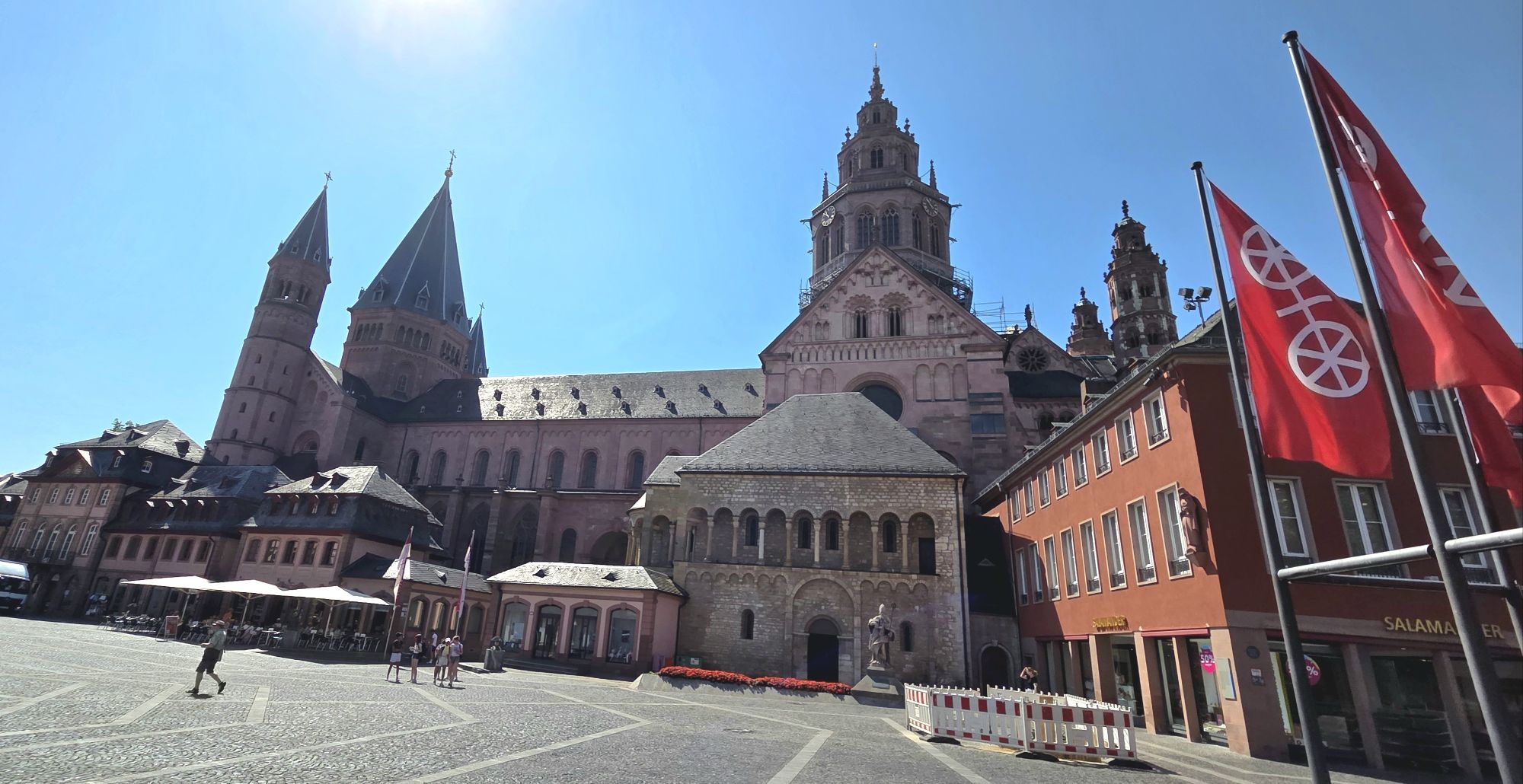
Mainz, Germany, might not be the first place that springs to mind when you think of eco-tourism, but this historic city on the Rhine is making impressive strides. It’s capitalizing on its location and its heritage to become a more sustainable destination. The city is actively promoting cycling and pedestrian zones, making it easier for visitors to explore without relying on cars.
A strong emphasis is placed on regional food and wine. Mainz actively supports local farmers and producers, reducing the carbon footprint associated with food transportation. Many restaurants prioritize seasonal ingredients and offer organic options. This commitment extends to the wine industry, with a growing number of wineries adopting sustainable viticulture practices.
The city is also addressing the environmental impact of river cruises, a significant source of tourism revenue. They're encouraging cruise operators to use cleaner fuels and reduce waste, and are investing in infrastructure to support electric boats. Importantly, Mainz is committed to preserving its historical buildings, but is doing so with an eye towards energy efficiency, retrofitting older structures with modern insulation and renewable energy systems. It’s a really compelling example of blending preservation with sustainability.
The 'Klimafreundliches Mainz' initiative sets specific targets for cutting emissions. While no city is perfect, Mainz is actually putting money into the infrastructure needed to meet these goals rather than just talking about them.
Horsham: Rural England's Green Push
Horsham, West Sussex, demonstrates that sustainability isn't limited to glamorous, far-flung destinations. This market town is quietly embracing green initiatives, showing how even rural areas can prioritize environmental responsibility. A key focus is on supporting local farms and producers. Farmers' markets are thriving, and there’s a growing demand for locally sourced food in restaurants and pubs.
Horsham is investing heavily in green spaces and walking trails, encouraging visitors and residents to connect with nature. The Downs Link, a 37-mile off-road trail following a former railway line, is a prime example. The council is actively working to improve public transport links and reduce traffic congestion within the town center.
The Horsham District Council has committed to becoming carbon neutral by 2030, and is implementing a range of measures to achieve this goal, including investing in renewable energy sources and promoting energy efficiency. It's a community-led effort, with local businesses and residents actively involved in shaping the town's sustainable future. It’s a great example of how smaller destinations can make a big impact.
Five destinations leading the way
Beyond Mainz and Horsham, several destinations are consistently recognized for their commitment to sustainability. Costa Rica has long been a leader in ecotourism, protecting over 25% of its land as national parks and reserves. They're powered by almost 100% renewable energy, primarily hydroelectric, and are actively working to restore degraded ecosystems.
Slovenia is another standout. Designated as a Green Destination by Green Destinations, they prioritize sustainable tourism development and have a strong focus on preserving their natural beauty. They've implemented a Green Scheme of Slovenian Tourism, which recognizes accommodations and destinations that meet strict environmental criteria.
Palau, a small island nation in Micronesia, is a pioneer in marine conservation. They’ve created a national marine sanctuary that protects 80% of their waters, and require visitors to sign a "Palau Pledge" promising to act responsibly during their stay. This commitment is truly remarkable.
Bhutan famously measures its success not by GDP, but by Gross National Happiness, which includes environmental conservation. They have a strict "high value, low impact" tourism policy, limiting the number of visitors and charging a daily fee that contributes to conservation efforts. This is a bold approach, but it's demonstrably effective.
Norway consistently ranks highly for its environmental performance. They're investing heavily in renewable energy, promoting sustainable transportation, and protecting their pristine natural landscapes. Their fjords are a major draw, and the country is committed to preserving their beauty for future generations.
Sustainability Comparison: 2026 Destinations
| Destination | Carbon Emissions Reduction | Waste Management | Community Involvement | Biodiversity Conservation | Water Conservation |
|---|---|---|---|---|---|
| Mainz, Germany | Medium | High | Medium | Medium | Medium |
| Alice Springs, Australia | Low | Medium | High | High | Low |
| Latrobe, Tasmania, Australia | Medium | Medium | High | High | High |
| Horsham, Victoria, Australia | Low | Medium | Medium | Medium | Medium |
| Costa Rica (as a benchmark) | High | High | High | High | High |
| Bhutan (as a benchmark) | High | Medium | High | High | High |
Illustrative comparison based on the article research brief. Verify current pricing, limits, and product details in the official docs before relying on it.
How to travel mindfully
Ultimately, the responsibility for sustainable travel rests with each of us. There are many small changes we can make to reduce our impact. Pack light to reduce fuel consumption, and bring your own reusable water bottle, coffee cup, and shopping bag to avoid single-use plastics.
Support local businesses whenever possible – eat at locally owned restaurants, shop at local markets, and stay in locally run accommodations. This ensures that your money directly benefits the communities you visit. Be mindful of your cultural impact, respecting local customs and traditions.
The topic of carbon offsetting is complex. While it can be a useful tool, it's not a silver bullet. Be sure to research offsetting projects carefully to ensure they are credible and effective. Prioritizing reducing your emissions in the first place is always the best approach. Consider slower modes of transport, like trains, and choose direct flights when possible. Even small changes can make a difference.
- Reduce your carbon footprint: Choose slower travel options, fly direct, and pack light.
- Support local businesses: Eat, shop, and stay local.
- Respect local cultures: Be mindful of customs and traditions.
- Minimize waste: Bring reusable items and avoid single-use plastics.
- Choose responsible tour operators: Look for certifications and commitments to sustainability.

No comments yet. Be the first to share your thoughts!