

Mainz & Horsham: An Unexpected Pairing
There's a growing desire for travel that isn't about rushing between capital cities and ticking off famous monuments. People want to feel a place, to experience its rhythm, and to connect with local life. That’s where the appeal of European small town holidays comes in. This route, stretching from Mainz in Germany to Horsham in West Sussex, England, is designed for exactly that kind of journey.
It’s an unusual pairing, admittedly. Mainz, a historic city on the Rhine, is steeped in Roman history and renowned for its wine. Horsham, a charming market town in the English countryside, offers a different kind of appeal – a slower pace, rolling hills, and a strong sense of community. The contrast is deliberate. This isn’t about finding places that are all the same; it’s about appreciating the unique character of each stop.
The journey between these two points is the real reward. We'll travel through the heart of Europe, exploring the Rhine Valley, the canals of Belgium, and the rolling landscapes of Kent. Expect cobblestone streets, local markets, and plenty of opportunities to sample regional specialties. It's a route for those who value discovery over checklists, and immersion over itineraries.
This isn't a race. It’s about allowing yourself to get lost – figuratively, of course – and savoring the unexpected. I believe that the most memorable travel experiences often happen when you stray from the well-trodden path, and this route is designed to encourage exactly that.
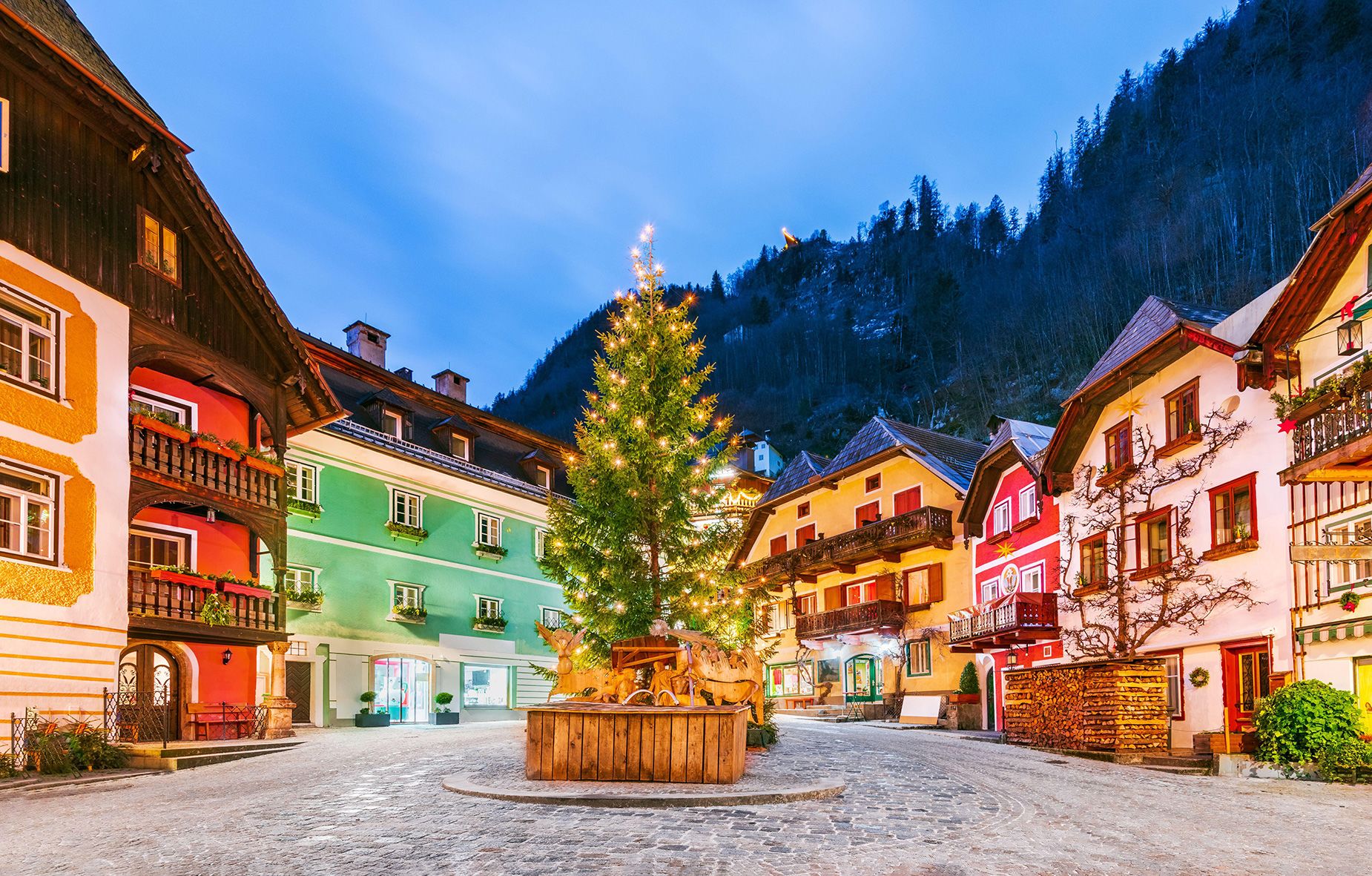
Mainz: Roman Roots & Modern Wine
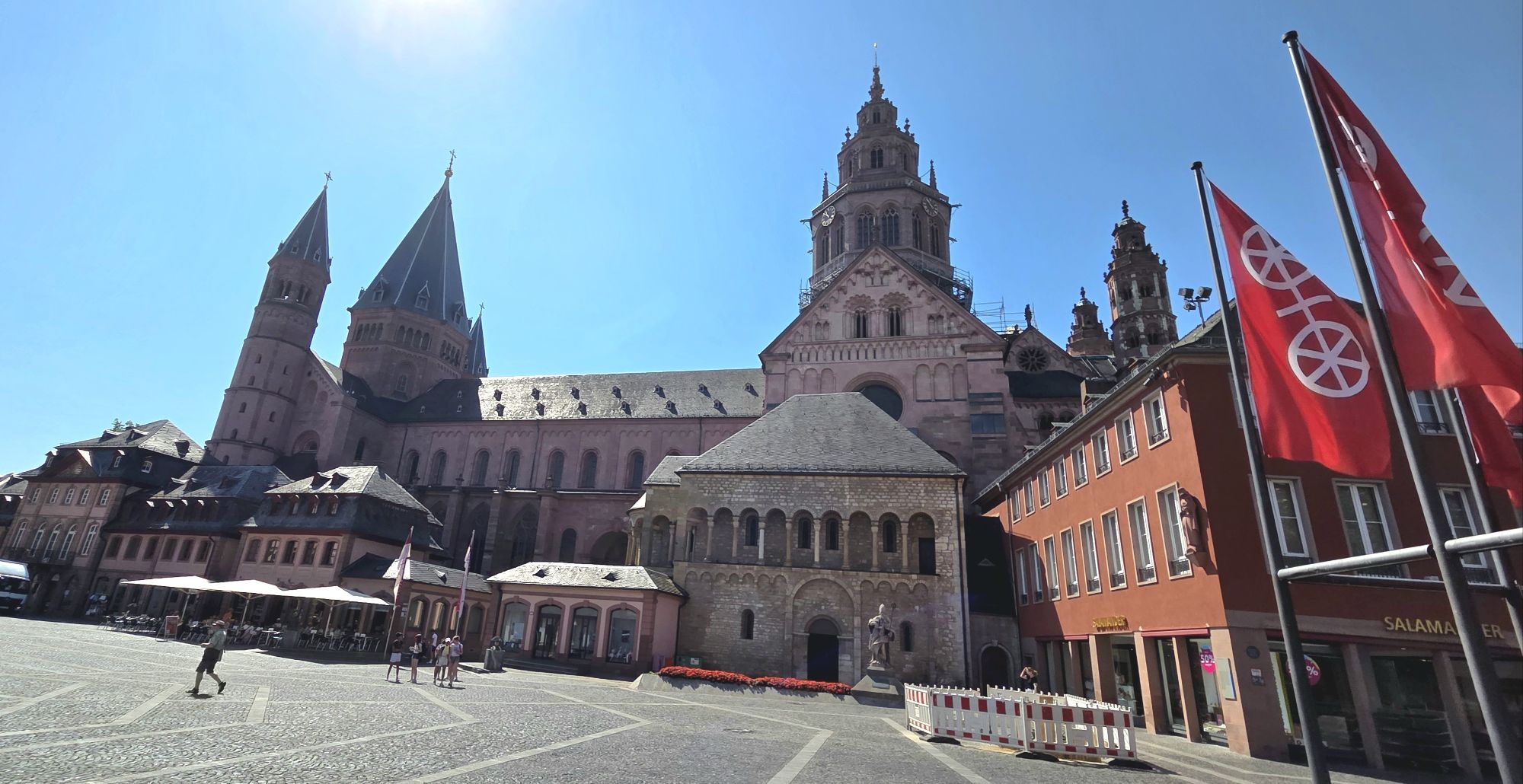
Mainz, the capital of Rhineland-Palatinate, is a city that wears its history proudly. Founded by the Romans over 2,000 years ago, its past is visible everywhere you look, from the remnants of Roman baths to the imposing Mainz Cathedral. The city really feels like layers of history stacked on top of each other.
But Mainz isn’t just about the past. It’s a thriving modern city with a vibrant cultural scene. It's perhaps best known as the birthplace of Johannes Gutenberg, the inventor of the printing press. You can visit the Gutenberg Museum to see original Gutenberg Bibles and learn about the revolution he sparked. It’s a surprisingly engaging experience, even for those who aren’t history buffs.
The heart of Mainz is its Altstadt (Old Town), a maze of narrow streets filled with half-timbered houses, charming shops, and traditional wine taverns. The weekly market, held every Tuesday and Friday, is a must-visit. It’s a sensory overload in the best possible way – the smell of fresh produce, the chatter of locals, and the colorful displays of regional products.
Mainz is also a major wine-producing region, and no visit is complete without sampling the local wines. The city is particularly known for its Riesling, but you’ll also find excellent examples of Silvaner and Pinot Noir. I recommend visiting a Weinstube (wine tavern) in the Old Town, like Eichbaum, to try a variety of wines paired with local cheeses and sausages. Don’t miss the Mainz Carnival, a huge celebration that draws crowds from all over Germany – it’s a wild and colorful spectacle.
For a taste of something different, explore the Kirschgarten district, known for its charming gables and picturesque streets. It’s a quieter part of the Old Town, perfect for a leisurely stroll.
The Rhine Valley Route: Koblenz to Cologne
Leaving Mainz, the journey south along the Rhine Valley is a highlight of the route. The landscape transforms into a picturesque panorama of vineyards, castles, and charming villages. It’s a region that feels steeped in legend and romance.
Koblenz, at the confluence of the Rhine and Moselle rivers (known as the Deutsches Eck), is a logical first stop. The Ehrenbreitstein Fortress, overlooking the city, offers stunning views and a fascinating glimpse into the region’s military history. It’s accessible by cable car, which is an experience in itself.
Continuing upriver, you’ll pass countless castles perched on hillsides, each with its own story to tell. Many offer tours and provide a fascinating insight into medieval life. River cruises are a popular way to experience this section of the journey, allowing you to relax and enjoy the scenery. Alternatively, the Rhine Cycle Route offers a fantastic way to explore at your own pace.
Cologne is the next major city on the route, and it’s a dramatic contrast to the smaller towns and villages along the river. The Cologne Cathedral, a UNESCO World Heritage site, is simply breathtaking in scale and detail. It dominates the city skyline and is a must-see, even if you’re not religious.
Beyond the Cathedral, Cologne’s Old Town is a warren of narrow streets, traditional pubs, and Roman ruins. I found it particularly enjoyable to simply wander and get lost, discovering hidden courtyards and quirky shops. Be sure to sample Kölsch, the local beer, which is traditionally served in small, slender glasses.
Along the way, don’t hesitate to stop in smaller villages like Bacharach or Sankt Goarshausen. These towns offer a more intimate experience of the Rhine Valley, with opportunities to taste local wines directly from the producers and soak up the atmosphere.
- Rhine Cycle Route: A well-maintained path following the river, perfect for cycling.
- River Cruises: Offer a relaxed way to see the sights.
- Local Wine Tastings: Numerous vineyards offer tours and tastings.
Across Belgium: Dinant & Ghent
Crossing into Belgium marks a shift in scenery and culture. The landscape becomes greener, the architecture more ornate, and the food… well, the food becomes even more tempting. Dinant, a small town on the Meuse River, is a charming first stop.
Dinant is famous for its citadel, perched dramatically on a cliff overlooking the town. It's accessible by cable car or a steep climb, but the views are worth the effort. Interestingly, Dinant is also known as the birthplace of the saxophone – Adolphe Sax was born here in 1814. You can visit the Saxophone Museum to learn more.
Ghent, a larger city, offers a different kind of appeal. Its medieval center is a UNESCO World Heritage site, with canals, guildhalls, and impressive architecture. Gravensteen castle, a formidable fortress, dominates the skyline.
Ghent feels more vibrant and lively than some of the smaller towns we've visited. It has a large student population, which contributes to its energetic atmosphere. I enjoyed exploring the Patershol district, a maze of narrow streets filled with restaurants and bars.
Of course, no trip to Belgium is complete without indulging in its famous beers and chocolates. Ghent offers plenty of opportunities to do both. But beyond the clichés, I recommend seeking out smaller, independent chocolatiers and breweries for a more authentic experience. Also, look for hidden courtyards – Ghent is full of them.
French Flanders: Lille's Hidden Charms
Lille, located in French Flanders, often gets overlooked by tourists heading to Paris. That’s a shame, because it’s a city with a unique character and a rich cultural heritage. Its Flemish influence is evident in its architecture and cuisine.
The Grand Place, Lille’s main square, is a stunning example of Flemish Renaissance architecture. It’s surrounded by ornate guildhalls and the Vieille Bourse (Old Stock Exchange), a beautiful building with a distinctive arcade.
Lille is also a major center for art and culture. The Palais des Beaux-Arts, one of the largest fine arts museums in France, houses an impressive collection of paintings, sculptures, and drawings. I was particularly struck by the collection of Flemish masters.
Lille’s history as a trading hub is reflected in its lively markets and diverse culinary scene. Moules-frites (mussels and fries) are a local specialty, and you’ll find countless restaurants serving them. The city’s student population adds to its vibrant atmosphere.
Don’t miss the Citadelle de Lille, a pentagonal fortress built by Vauban in the 17th century. It’s a beautiful park and offers a glimpse into the city’s military history.
Channel Crossing & Kent's Countryside
The next leg of the journey involves crossing the English Channel, either by ferry or Eurotunnel. Both options are convenient, but the Eurotunnel is faster. Once in England, you’ll find yourself in the heart of Kent, often referred to as the "Garden of England."
Canterbury, with its magnificent cathedral, is a natural first stop. The Canterbury Cathedral, a UNESCO World Heritage site, is a masterpiece of Gothic architecture and a significant pilgrimage site. The historic city walls, largely intact, offer a pleasant walk around the city center.
Beyond Canterbury, Kent’s countryside is a delight to explore. The North Downs, a range of chalk hills, offer stunning views and excellent hiking opportunities. The landscape is dotted with orchards, farms, and quaint villages.
I highly recommend venturing off the main roads and exploring the smaller villages. There’s a real sense of tranquility and authenticity to be found. Look for local pubs serving traditional English fare and farm shops selling fresh produce.
The area around Ashford offers access to several historic houses and gardens, such as Sissinghurst Castle Garden, a beautiful example of an English garden. It's a great place to spend an afternoon.
Essential Gear for Your Mainz to Horsham European Small Town Adventure

Waterproof nubuck leather and mesh upper · Molded nylon arch shank · Vibram TC5+ outsole
These waterproof boots offer excellent traction and comfort for exploring diverse terrains on your European adventure.

100% Nylon 2.5 Ripstop · Omni-Tech waterproof breathable membrane · Adjustable storm hood
This lightweight and waterproof jacket provides reliable protection against unexpected rain showers during your travels.

10,000mAh capacity · PowerIQ charging technology · Compact and portable design
Keep your devices charged on the go with this high-capacity, fast-charging power bank, essential for navigation and communication.

Includes Type E/F, Type C, and Type G adapters · 20W PD & QC USB and USB-C ports · Compact design with 2 USA sockets
This versatile adapter set ensures you can easily charge all your electronics in various European countries along your route.

Compact and portable guide · Focuses on key sights and practical tips · Includes fold-out maps
This pocket guide offers essential information and maps for navigating and enjoying the local attractions in Munich and Salzburg.
As an Amazon Associate I earn from qualifying purchases. Prices may vary.
Horsham: A West Sussex Market Town
The final destination: Horsham, a charming market town in West Sussex. It’s a far cry from the bustling cities we’ve passed through, but that’s precisely its appeal.
Horsham has a long history as a market town, and its attractive High Street is still the heart of the community. The Carfax, the town’s central square, is a focal point for local events. You’ll find a mix of independent shops, restaurants, and pubs.
Horsham is conveniently located near the South Downs National Park, offering excellent opportunities for hiking, cycling, and exploring the countryside. The park is a designated Area of Outstanding Natural Beauty.
I found Horsham to have a remarkably friendly atmosphere. It's a place where you can easily strike up a conversation with locals and feel like a part of the community. There are several excellent restaurants and pubs in Horsham, serving everything from traditional pub fare to international cuisine.
For a day trip, consider visiting nearby Arundel Castle, a stunning medieval castle overlooking the River Arun. Or explore the gardens at Wakehurst Place, a beautiful botanical garden managed by the Royal Botanic Gardens, Kew.


No comments yet. Be the first to share your thoughts!