
Remote Work's New Hotspots: 2026
Remote work has exploded since 2020. By 2026, the focus has shifted from just where you can work to how you can live a fulfilling life. The pandemic prompted many to re-evaluate priorities, creating demand for destinations offering community, adventure, and reliable internet, not just a low cost of living.
Visa regulations are also shifting. Countries are creating or streamlining digital nomad visas to attract remote workers. The EY Global Immigration Index from March 2026 shows increased accessibility, though complexities remain. This contrasts with the early days of digital nomadism, which relied on tourist visas and loopholes.
What constitutes 'paradise' is subjective. Some prefer a bustling city with a co-working scene, while others seek a quiet beach town. This guide offers options based on individual preferences, examining changes since 2023 and why these locations attract remote professionals.
The Top 8 Destinations for 2026
Citizen Remote and Forbes reports highlight eight top destinations for digital nomads in 2026, considering visa accessibility, cost of living, internet speed, and quality of life.
1. Portugal (Lisbon/Porto): Portugal remains a top choice for quality of life. Lisbon and Porto offer a strong cultural scene, good food, and increasing co-working spaces. Rent for a one-bedroom apartment averages $1,200 - $1,800 in Lisbon and $800 - $1,300 in Porto. Internet speeds average 100-200 Mbps. Portugal’s D7 visa requires a passive income of about $8,500 annually. Vibe: Energetic, cosmopolitan, welcoming.
2. Spain (Valencia/Canary Islands): Spain offers diverse experiences, from Valencia to the Canary Islands. Valencia is more affordable than Barcelona or Madrid, with rent around $900 - $1,500 for a one-bedroom. The Canary Islands offer year-round sunshine and a lower cost of living. Internet speeds average 80-150 Mbps. Spain’s digital nomad visa requires an income of at least $2,300 per month. Vibe: Relaxed, sociable, culturally rich.
3. France (Paris/Nice): France attracts remote workers to Paris and Nice. Paris is expensive but offers rich cultural experiences. Nice, on the French Riviera, is more affordable and relaxed. Rent in Paris averages $1,800 - $3,000, while Nice is $1,000 - $1,800. Internet speeds average 150-300 Mbps. France’s digital nomad visa has stringent requirements. Vibe: Sophisticated, artistic, historically significant.
4. Italy (Rome/Florence): Italy's charm and history attract many. Rome and Florence offer culture, cuisine, and co-working spaces, though bureaucracy can be challenging. Rent in Rome averages $1,200 - $2,000, and Florence is similar. Internet speeds average 70-150 Mbps. Italy’s digital nomad visa requires an income around $28,000 annually. Vibe: Passionate, historical, indulgent.
5. South Africa (Cape Town): Cape Town offers a high quality of life at a low cost. The city has impressive scenery, an active arts scene, and a growing tech community. Rent for a one-bedroom apartment averages $600 - $1,000. Internet speeds average 50-100 Mbps. South Africa’s digital nomad visa is new, with varying requirements. Vibe: Adventurous, diverse, naturally beautiful.
6. Costa Rica: Costa Rica appeals to nature lovers with its rainforests, beaches, and relaxed lifestyle. Its cost of living is higher than some Central American countries but affordable compared to North America or Europe. Rent averages $800 - $1,500. Internet speeds average 50-100 Mbps in urban areas. Costa Rica’s digital nomad visa requires a minimum monthly income of $3,000. Vibe: Relaxed, eco-conscious, adventurous.
7. Malaysia (Kuala Lumpur): Kuala Lumpur is an affordable city with a multicultural atmosphere, serving as a good base for exploring Southeast Asia. Rent for a one-bedroom apartment averages $500 - $800. Internet speeds average 100-200 Mbps. Malaysia’s DE Rantau Nomad Pass allows stays of up to 12 months. Vibe: Modern, multicultural, budget-friendly.
8. Mexico (Mexico City/Playa del Carmen): Mexico offers diverse experiences, from Mexico City to Playa del Carmen. The cost of living is low, and the food is excellent. Rent in Mexico City averages $700 - $1,200, while Playa del Carmen is slightly higher. Internet speeds average 50-100 Mbps. Mexico offers a temporary resident visa for remote work. Vibe: Vibrant, historical, affordable.
Co-working Spaces: Beyond the Coffee Shop
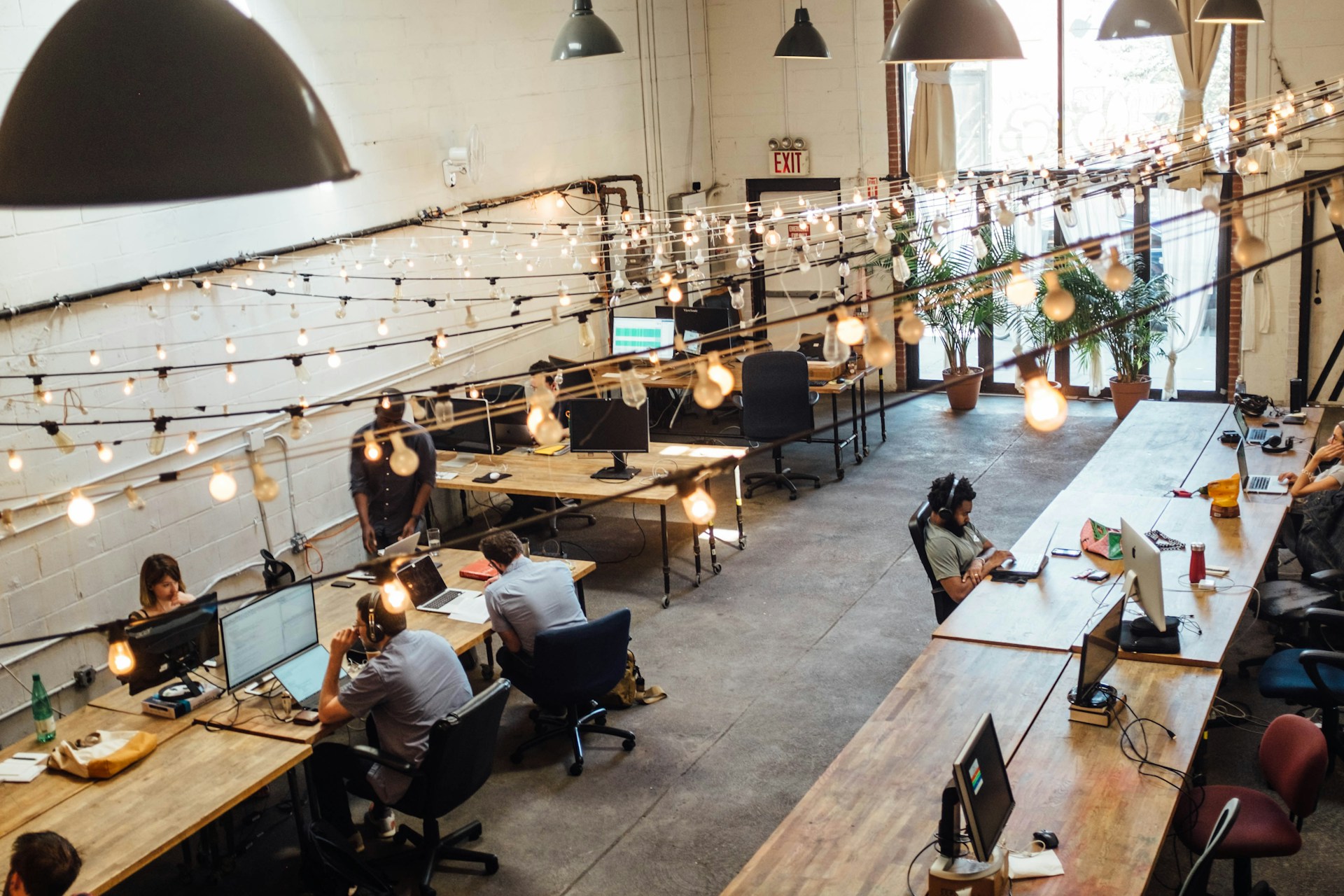
Co-working spaces now offer more than just a desk and Wi-Fi. They include dedicated phone booths, reliable internet, event spaces, and foster community. Many also offer co-living options, combining accommodation with co-working facilities.
In Lisbon, Second Home Lisboa is a popular choice, known for its plant-filled interior and vibrant community (monthly memberships start around $300). Porto has Impact Hub Porto, focusing on social impact and sustainability ($200/month). In Valencia, Aticco offers stunning rooftop views and a collaborative atmosphere ($250/month). For Cape Town, Ideas Cartel provides a stylish and productive environment ($150/month).
Mexico City boasts WeWork locations throughout the city, offering consistent quality and amenities (starting around $350/month). Kuala Lumpur has Common Ground, a leading co-working space with multiple locations ($200/month). In Paris, Station F is a massive startup campus with co-working spaces for individuals and teams (starting around $400/month). Co-living spaces, like Outsite (various locations), combine accommodation and co-working, simplifying the logistics for digital nomads.
Essential Gear for the Modern Digital Nomad

15.6-inch Full HD 1080P display · USB-C and HDMI connectivity · Ultra-slim and portable design
Expand your workspace on the go with this portable monitor, offering a larger screen for enhanced productivity.

Advanced noise cancellation · Up to 24 hours of playtime · Comfortable over-ear design
Immerse yourself in your work without distractions thanks to these industry-leading noise-canceling headphones.

Compact and ergonomic design · Works on virtually any surface · Control up to three computers
Navigate your digital workspace efficiently with this versatile and portable wireless mouse.

5G mmWave connectivity with up to 8Gbps speeds · Unlocked for use with various carriers · Portable WiFi hotspot functionality
Ensure a reliable and high-speed internet connection wherever your travels take you with this powerful mobile hotspot.

Durable EVA and polyester construction · Padded compartment for 15.6-inch laptops · Comfortable shoulder straps
Transport your essential tech gear safely and comfortably with this robust and protective backpack.
As an Amazon Associate I earn from qualifying purchases. Prices may vary.
Visa Realities: Navigating the Rules
Navigating digital nomad visas can be complex. Portugal’s D7 visa is relatively straightforward, but requires proof of passive income. Spain’s digital nomad visa has stricter income requirements and can be more bureaucratic. France's visa process is known for its thoroughness. Italy’s visa is newer and still evolving.
South Africa’s digital nomad visa is also new, and requirements are subject to change. Costa Rica’s visa requires a minimum monthly income and proof of health insurance. Malaysia’s DE Rantau Nomad Pass is a good option for shorter stays. Mexico’s temporary resident visa is a viable option, but requires navigating Mexican immigration procedures.
It’s crucial to consult with an immigration lawyer specializing in digital nomad visas before making any major plans. Regulations change frequently, and what worked for someone else may not work for you. Some countries, like Georgia, don’t have specific digital nomad visas but allow long-term stays on a tourist visa (typically 180 days).
Digital Nomad Visa Comparison: Portugal, Spain, Costa Rica & Malaysia (2026 Outlook)
| Application Difficulty | Financial Requirements | Maximum Stay | Healthcare | Overall Suitability |
|---|---|---|---|---|
| Moderate | Requires demonstrating sufficient income | Up to 2 years, with potential for renewal | Mandatory private health insurance | Strong option for EU/EEA citizens; good infrastructure. |
| Moderate | Income or sufficient funds required | Initially 1 year, renewable | Public healthcare access possible with contributions | Popular choice; vibrant culture, established nomad community. |
| Relatively Straightforward | Minimum monthly income required | Up to 1 year, extendable | Mandatory health insurance | Attractive for those seeking a tropical lifestyle; growing nomad scene. |
| More Complex | Higher income threshold, specific requirements | Up to 5 years, renewable | Health insurance is required | Good value for money, but bureaucratic processes can be challenging. |
| Better for short stays | Lower income requirements | 6 months | Health insurance is required | Suitable for shorter-term remote work. |
| Trade-off: Lower cost of living | Moderate income requirements | 1 year | Health insurance is required | Offers a balance between affordability and lifestyle. |
Qualitative comparison based on the article research brief. Confirm current product details in the official docs before making implementation choices.
Cost of Living Breakdown
Here's a more detailed look at estimated monthly costs, assuming a moderate lifestyle (not backpacking, but not luxury either). These are averages and can vary significantly based on location within the city and personal spending habits.
Portugal (Lisbon): Accommodation ($1,200 - $1,800), Food ($400 - $600), Transportation ($100 - $200), Entertainment ($200 - $400), Co-working ($200 - $400). Total: $2,100 - $3,400.
Spain (Valencia): Accommodation ($900 - $1,500), Food ($300 - $500), Transportation ($80 - $150), Entertainment ($150 - $300), Co-working ($200 - $300). Total: $1,630 - $2,750.
Mexico City: Accommodation ($700 - $1,200), Food ($300 - $500), Transportation ($50 - $100), Entertainment ($100 - $200), Co-working ($250 - $350). Total: $1,400 - $2,350.
Finding affordable accommodation often involves looking beyond the city center and considering Airbnb for longer-term rentals or connecting with local Facebook groups to find apartments directly from owners.
Community & Connection: Finding Your Tribe
Digital nomadism can be isolating if you don't actively seek out community. Luckily, there are numerous online and offline resources available. Facebook groups dedicated to digital nomads in specific cities are a great starting point. Slack channels and online forums also provide opportunities to connect with like-minded individuals.
Local meetups are also essential. Websites like Meetup.com list events for digital nomads and expats. Many co-working spaces also organize social events. It's important to remember that building meaningful connections takes effort, but it's crucial for combating loneliness and creating a support network. Not everyone thrives in a constant state of travel, and building roots in a location is a perfectly valid approach.
What's the biggest challenge you face as a digital nomad?
We're curating a list of the best destinations for digital nomads in 2026. Your input is crucial! Vote below to help us understand the primary hurdles remote workers encounter.
Beyond the Headlines: Standout Destinations
While the top 8 destinations offer a great starting point, several other locations deserve consideration. Tbilisi, Georgia, is incredibly affordable and boasts a unique culture and growing digital nomad scene. Tallinn, Estonia, is a digital society with excellent infrastructure and a thriving startup ecosystem.
Medellín, Colombia, offers a pleasant climate, a low cost of living, and a vibrant nightlife. Canggu, Bali, remains popular for its surf culture and relaxed vibe, but be aware of potential visa complexities. These destinations offer something different, catering to specific preferences and priorities.


No comments yet. Be the first to share your thoughts!