
Plan the route
Start with the geography. Your trip spans from the red-dust outback of Alice Springs to the historic Rhine banks of Mainz. This is not a linear loop; it is a zigzag across continents. Trying to fly Alice Springs to Mainz directly wastes three days in transit hubs. Instead, treat the route as two distinct legs with a clear break in the middle.
Leg one ends in the Middle East. Leg two begins in Europe. This split lets you handle the long-haul fatigue without rushing through either region. You can spend ten days in Australia and New Zealand, fly into Dubai or Doha, and then spend another ten days driving through Germany and France. This pacing keeps the travel days short and the time in each place meaningful.
Use a map to anchor your timeline. Plot your stops before booking flights. Look for open-jaw tickets: fly into Alice Springs or Sydney, and fly out of Mainz or Frankfurt. This saves the cost and time of returning to the start point. If you must return to the start, leave at least two buffer days in your itinerary for delays.
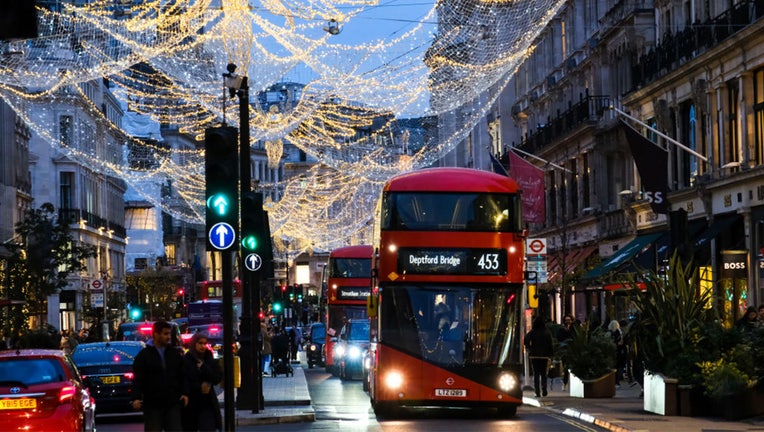
Plot Alice Springs, a Middle Eastern hub, and Mainz on a single map. Identify the geographic gap. This visual helps you see why a direct flight is impossible and where the layover should naturally fall.

Reserve separate one-way tickets for the start and end. Fly into Australia and out of Germany. This avoids backtracking and saves a full day of travel time that would otherwise be lost on the return journey.
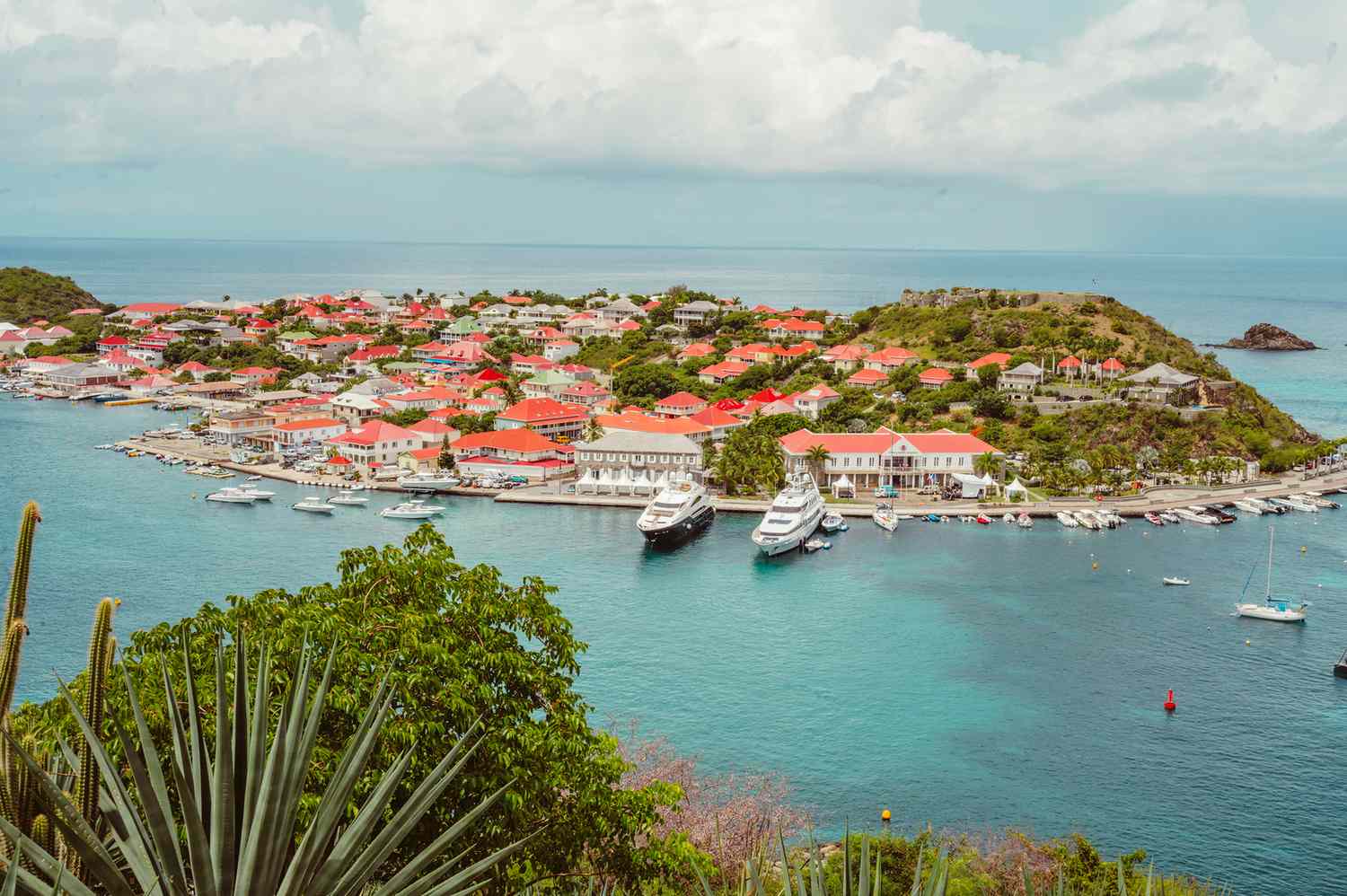
Insert a ten-day break in the Middle East. Use Dubai or Doha as a rest point. This turns a thirty-hour flight into two manageable segments, letting you recover before the European leg begins.
-
Open-jaw flight tickets booked
-
Middle East layover hotel reserved
-
Local transit maps downloaded for Alice Springs and Mainz
Stops worth prioritizing
Choosing where to go for your 2026 holiday requires separating the essential stops from the optional detours. While lists of dream destinations often blur the line between iconic and overrated, a practical itinerary relies on specific trade-offs between crowd density, accessibility, and unique value. The following comparison helps you decide which destinations justify the travel time and cost for your specific travel style.
Compare Top Holiday Destinations
The table below contrasts four high-demand locations based on practical factors like best visit timing, crowd levels, and primary appeal. This helps you prioritize stops that align with your preferences for 2026.
| Destination | Best Time | Crowds | Primary Appeal |
|---|---|---|---|
| Costa Rica | Dec–Apr | Moderate | Eco-adventure |
| Chilean Patagonia | Nov–Mar | High | Glaciers & hiking |
| Galapagos Islands | Year-round | Low (permits) | Wildlife encounters |
| British Virgin Islands | Apr–Jun | High (summer) | Sailing & beaches |
Why these stops matter
Costa Rica remains a top choice for 2026 because its infrastructure supports both luxury and budget travelers. The dry season offers reliable weather for zip-lining and volcano hikes without the intense humidity of summer. Prioritize the Arenal and Monteverde regions for a mix of adventure and relaxation.
Chilean Patagonia delivers dramatic landscapes but requires careful planning. The summer months (November to March) are the only time most trails are fully accessible. Book refugios and tours months in advance, as capacity is limited and crowds peak in January and February.
Galapagos Islands offers a unique wildlife experience that cannot be replicated elsewhere. Permits are strictly controlled, which keeps crowds low but requires booking through authorized operators. The islands are accessible year-round, but the water is warmer and wildlife is more active during the warmer months of December to May.
British Virgin Islands are ideal for sailing enthusiasts. The spring months offer calm seas and pleasant temperatures before the hurricane season begins. While expensive, the clear waters and well-maintained marinas make it a top choice for a relaxed, high-end beach holiday.
Optional detours to consider
If you have extra time, consider adding a stop to Palau or Tasmania. Palau offers incredible diving and Jellyfish Lake, but flights are limited and expensive. Tasmania provides a rugged, cooler climate alternative with excellent hiking and local cuisine, best visited in the shoulder seasons of spring and autumn to avoid peak summer crowds.
Timing and logistics
Booking a holiday destination for 2026 requires looking past the destination name to the mechanics of the trip. Whether you are heading from Alice Springs to Mainz or anywhere in between, the difference between a smooth vacation and a stressful one often comes down to parking, transit, and reservation timing.
Parking and transit limits to account for
In historic European towns like Mainz, driving directly to major attractions is rarely the best option. Many city centers have restricted traffic zones (Zones 30 or pedestrian-only areas) where unauthorized vehicles face heavy fines. Instead of relying on hotel parking, which can be scarce and expensive, check for park-and-ride facilities on the city outskirts. These hubs typically offer a direct shuttle or tram link to the center, saving both money and the headache of navigating narrow, cobblestone streets with a rental car.
For those traveling between regional hubs, public transit is often more reliable than driving. Trains in Europe, for instance, are frequent and punctual, but they require advance booking for the best fares. Last-minute train tickets can cost as much as a flight, so locking in your rail passes or point-to-point tickets at least 90 days out is a standard best practice. If you must drive, download offline maps for rural areas where cell service can be spotty.
Reservation windows
The "when" of your bookings matters as much as the "where." Popular holiday destinations operate on strict reservation windows. Museums, guided tours, and even some restaurants require bookings months in advance for peak holiday seasons. A general rule of thumb: book flights and major accommodation first, then secure high-demand experiences (like the Louvre or a popular hike) as soon as your travel dates are confirmed. Do not assume walk-in availability exists for top-tier attractions during holidays.
Seasonal timing caveats
Timing your visit also means understanding local weather windows. In 2026, consider shoulder seasons (April-May or September-October) to avoid the highest crowds while still enjoying mild weather. However, verify local festival dates; a major town festival can double accommodation prices and fill restaurants within hours. Always cross-reference your travel dates with local event calendars to avoid unexpected surges in demand.
Holiday destinations: what to check next
Choosing a 2026 holiday often comes down to balancing budget, crowd levels, and specific interests. The following answers address the most common practical objections travelers face when planning international trips.
No comments yet. Be the first to share your thoughts!