

Getting around Latrobe and Horsham
Latrobe and Horsham sit in two distinct corners of Victoria, separated by roughly 300 kilometers of rural highway. The journey connects the industrial heart of the Latrobe Valley with the agricultural hub of the Wimmera. There is no direct, convenient public transport link between them. For a traveler aiming to explore both areas in a single trip, renting a car is the only practical choice.
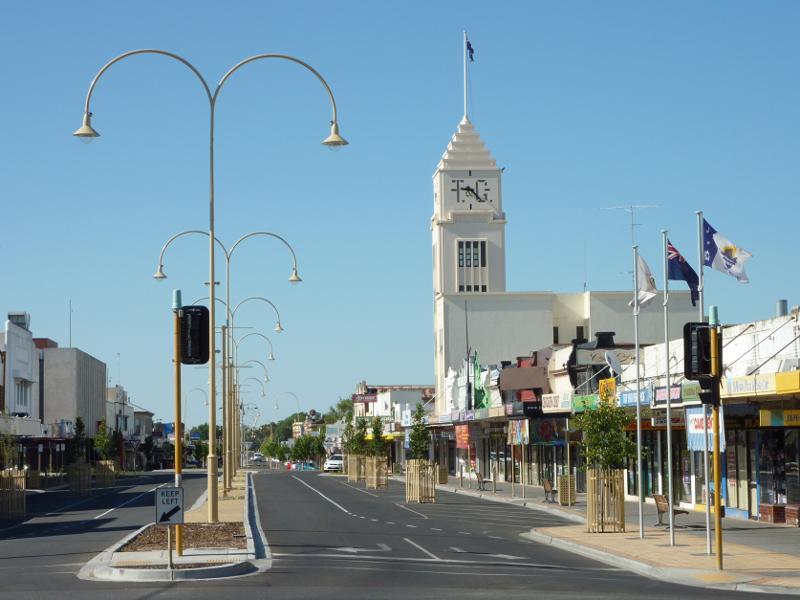
The drive typically takes about three to three and a half hours. The most common route involves taking the M1 and M39 north-west, passing through towns like Seymour and Ararat. This route is well-maintained but you should account for slower-moving agricultural vehicles, especially during planting and harvest seasons.
Public transport options are sparse. V/Line trains connect Latrobe Valley towns like Traralgon to Melbourne, and buses serve Horsham from Melbourne and regional centers like Mildura. However, these services operate on fixed schedules that rarely align for a seamless trip. If you rely on buses or trains, you will likely spend more time waiting at stops than actually traveling, and you will find it difficult to access rural attractions or hiking trails outside the town centers.
A car gives you the freedom to stop at roadside attractions and adjust your itinerary on the fly. Plan your fuel stops in advance, as services can be sparse in the rural stretches between the two regions.
Best activities in Latrobe
Latrobe sits at the intersection of industrial heritage and rugged landscape. The town’s identity is shaped by its past as a coal mining hub, but today it offers a quiet experience for travelers interested in local history and outdoor recreation.
Start your visit at the Latrobe Mining Museum. Housed in a former railway shed, it preserves the tools, photographs, and stories of the miners who powered the region’s growth. The exhibits are straightforward and well-curated, offering a respectful look at a challenging era. It’s a short visit, but it provides essential context for understanding the town’s character.
For outdoor activities, the Dimboola Weir area just south of Latrobe is a highlight. The parklands offer shaded picnic spots, walking trails, and fishing opportunities along the Wimmera River. It’s a popular spot for locals, especially on weekends, so arriving early ensures you get a good table or a quiet patch of grass. The water levels fluctuate with the seasons, so check current conditions before planning a fishing trip.
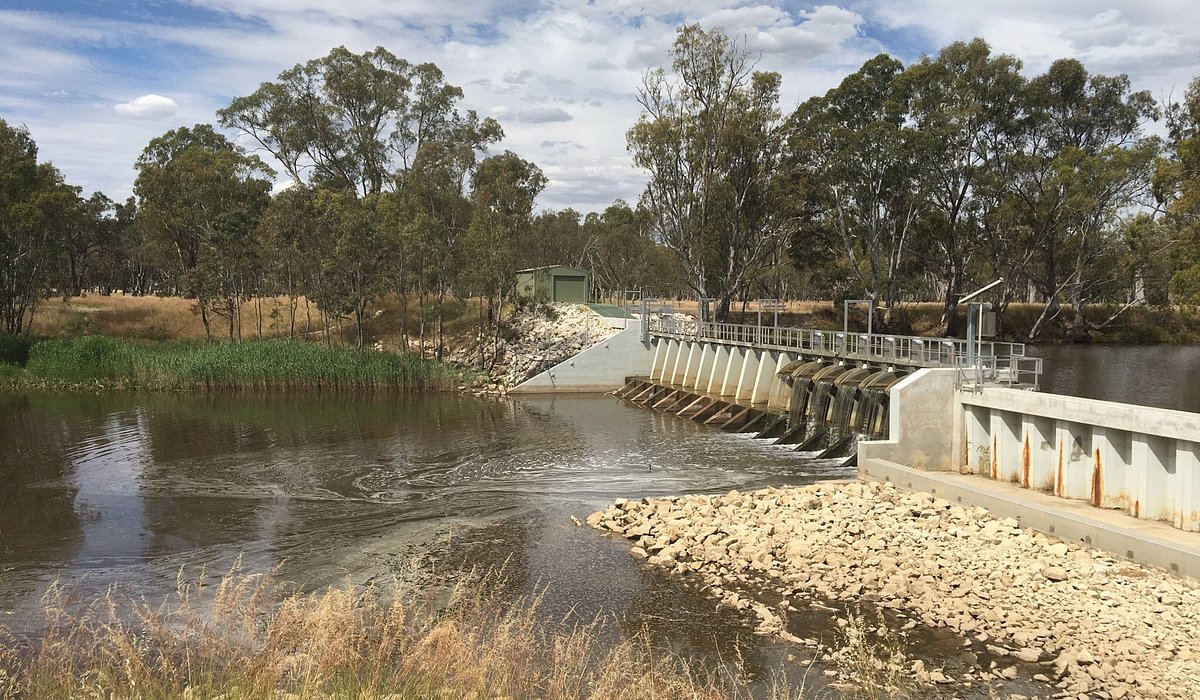
If you have time, take a drive through the surrounding farmland. The area is rich in agricultural history, and you’ll pass through small settlements that have retained their original architecture. Keep an eye out for the old wool sheds and railway stations, which are still standing as reminders of the region’s pastoral past. These drives are best done in the morning or late afternoon when the light is soft and the roads are quiet.
Pack sturdy shoes for any walking, as some trails can be uneven. Bring water and sunscreen, especially in summer, as shade can be limited in the open parklands. The local community is welcoming, so don’t hesitate to ask shopkeepers for current trail conditions or event schedules.
Top restaurants in Horsham
Horsham’s dining scene balances historic charm with modern culinary trends, offering everything from cozy gastropubs to contemporary European eateries. Whether you are looking for a quick lunch near the market or a leisurely dinner by the river, the town provides solid options for every palate and budget.
The Old Court House
Housed in a historic building, The Old Court House is a staple for traditional British fare. The menu changes seasonally, but the steak and ale pie remains a consistent favorite. The atmosphere is warm and inviting, with exposed beams and a welcoming fire in the colder months. It is an ideal spot for a relaxed Sunday roast or a casual weeknight meal.
The George Hotel
For a touch of elegance, The George Hotel offers refined dining in the heart of the town. The restaurant focuses on locally sourced ingredients, with a menu that highlights regional produce from the surrounding Wimmera countryside. The service is attentive without being stiff, making it suitable for both special occasions and business dinners. The wine list is extensive, featuring selections from both local vineyards and international regions.
The Black Horse
Located just off the main square, The Black Horse is a favorite among locals for its gastropub experience. The food is hearty and well-executed, with a strong emphasis on comfort food elevated by quality ingredients. The beer garden is a highlight in the summer, providing a pleasant outdoor seating area. It is a great choice for groups or families looking for a casual yet high-quality meal.
The Ivy Horsham
If you prefer a more contemporary setting, The Ivy Horsham delivers stylish dining with a menu that blends classic dishes with modern twists. The interior is sleek and sophisticated, making it a popular choice for date nights or social gatherings. The brunch menu is particularly noteworthy, offering a variety of sweet and savory options that are perfect for a weekend start.
The Plough
Tucked away on a quieter street, The Plough is a hidden gem known for its intimate atmosphere and creative menu. The chefs experiment with global flavors, resulting in unique dishes that stand out from the typical pub fare. The restaurant is small, so booking ahead is recommended, especially on weekends. It is a perfect spot for those seeking a more personalized dining experience.
Dining Tips for Horsham
- Book Ahead: Popular spots like The George Hotel and The Plough fill up quickly, especially on weekends. Reservations are essential.
- Local Specialties: Look for dishes featuring local game or produce, which are often featured in seasonal menus.
- Parking: Most restaurants have limited parking. Consider using the public car parks near the town center and walking to your destination.
- Timing: Many restaurants close earlier on weekdays. Check opening hours in advance to avoid disappointment.
Comparison of Top Restaurants
| Restaurant | Cuisine Type | Price Range | Signature Dish |
|---|---|---|---|
| The Old Court House | Traditional British | ££ | Steak and Ale Pie |
| The George Hotel | Fine Dining | £££ | Local Game Pâté |
| The Black Horse | Gastropub | ££ | Beef Burger with Truffle Fries |
| The Ivy Horsham | Contemporary | £££ | Eggs Benedict |
| The Plough | Creative Fusion | ££ | Seasonal Tasting Menu |
Hidden attractions to discover
While the Latrobe Valley and Horsham are often viewed as transit hubs, both regions hold pockets of quiet charm that rarely appear in standard itineraries. These spots reward the driver willing to step off the main highway, offering a slower pace and a deeper look at the local character.
Latrobe Valley: The Red Hill Lookout
Tucked away in Morwell, the Red Hill Lookout offers one of the most underrated views in the region. Unlike the crowded lookout points in the Dandenongs, this spot is often empty, providing a sweeping vista of the Latrobe Valley basin and the distant Dandenong Ranges. It is particularly striking at sunset when the valley floor fills with a soft, golden haze. The access road is sealed but narrow, so take care when turning in. A short walk from the parking area leads to a small clearing where you can sit and watch the light change over the power station cooling towers—a surreal, industrial-meets-nature scene.
Horsham: The Forgotten Railway Trail
Horsham’s heritage is best experienced on foot along the former railway line that now serves as a quiet green corridor. The Horsham Rail Trail stretches for several kilometers, connecting the town center to the surrounding farmland. It is flat, well-maintained, and perfect for a morning walk or a leisurely bike ride. The trail passes through remnants of old station platforms and over bridges that once carried grain trains. In spring, the verges are lined with wildflowers, and on clear days, the Grampians rise sharply on the horizon. It is a peaceful reminder of the town’s agricultural roots, far removed from the bustle of the main street.
Tip: Visit the local farmers' markets in both towns on weekends for a more authentic experience. In Horsham, the market at the town square often features artisanal cheeses and local honey, while Latrobe Valley markets in Traralgon or Moe showcase regional produce and crafts.
Warracknabeal: The Art of the Outback
Just a short drive north of Horsham, the small town of Warracknabeal punches above its weight with the Warracknabeal Art Gallery. Housed in a restored heritage building, it showcases works by local artists and rotating exhibitions that reflect the unique light and landscape of the Wimmera region. The gallery is small but intimate, often run by volunteers who are happy to discuss the art and the town’s history. It is a quiet, contemplative space that feels worlds away from the nearby wheat fields. Combine this with a visit to the nearby Warracknabeal Museum for a fuller picture of the area’s gold-rush past.
These hidden gems do not require tickets or reservations. They simply ask for your time and attention. By slowing down and venturing beyond the main roads, you will find that the Latrobe Valley and Horsham offer more than just rest stops—they offer moments of genuine discovery.
Planning your trip essentials
A trip to Latrobe and Horsham rewards those who prepare for the region’s specific rhythms. The weather shifts quickly, and local amenities in smaller towns can be sparse. Packing smart and understanding local etiquette ensures you focus on the landscape rather than logistical hiccups.
Victoria’s western districts are famous for four seasons in a day. Even in summer, evenings drop sharply. Layer with a windproof jacket, a warm fleece, and sturdy walking boots. Sun protection is non-negotiable; the UV index often reaches extreme levels before clouds roll in.
Distances between services are long. Carry a reusable water bottle and a portable charger for your devices. If you’re hiking in the Grampians, a physical map is wise, as mobile coverage can be unreliable in remote gorges and valleys.
These are working farming communities. Stay on marked tracks, close gates behind you, and never approach livestock. If you visit local markets or cafes, a polite greeting goes a long way. Support local businesses by buying directly from producers rather than big-box retailers.
-
Sturdy walking boots
-
Windproof and waterproof layers
-
High-SPF sunscreen and hat
-
Reusable water bottle
-
Portable power bank
-
Physical map or offline GPS
-
Insect repellent
No comments yet. Be the first to share your thoughts!